In this article
- 1. Build a Warm Foundation with Earth-Tone Colors
- 2. Layer Lighting Instead of Relying on One Ceiling Light
- 3. Make the Sofa More Inviting with Layered Textures
- 4. Ground the Seating Area with a Generous Rug
- 5. Bring in Natural Wood and Woven Materials
- 6. Create a Comfortable Reading Corner
- 7. Use Curtains to Soften the Room
- 8. Add a Personal Touch with Art and Meaningful Objects
- 9. Arrange Furniture for Conversation and Comfort
- How to Make a Living Room Feel Cozy Without Cluttering It
- Common Cozy Living Room Mistakes to Avoid
- Frequently Asked Questions
- What colors make a living room feel cozy?
- How can I make my living room cozy on a small budget?
- How do I make a modern living room feel cozy?
- What is the best lighting for a cozy living room?
- How do I make a small living room feel cozy without making it look crowded?
- Conclusion
A cozy living room is not simply a room filled with blankets and cushions. It is a space that feels comfortable, balanced, and easy to spend time in. Warm lighting, tactile fabrics, thoughtful furniture placement, and a color palette that feels connected can make even a simple living room feel more welcoming.
You do not need to replace all your furniture to create that atmosphere. Small changes, such as adding a floor lamp, layering a rug, or choosing softer colors, can make a meaningful difference. These cozy living room ideas show how to create a room that feels warm without becoming cluttered.
1. Build a Warm Foundation with Earth-Tone Colors
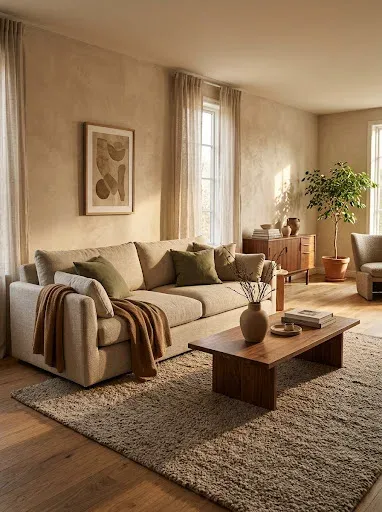
Earthy colors create a relaxed foundation because they echo natural materials and landscapes. Think warm beige, soft brown, muted olive, terracotta, mushroom, and creamy white.
You can introduce these colors through wall paint, upholstery, cushions, rugs, or smaller decorative pieces. A neutral sofa becomes more inviting when paired with caramel cushions, a warm brown throw, or a muted green accent.
Styling tip: Choose two or three main colors and repeat them across the room. This creates a cohesive look without making every item match.
Best for: Rooms with natural wood furniture, neutral sofas, and warm flooring.
2. Layer Lighting Instead of Relying on One Ceiling Light
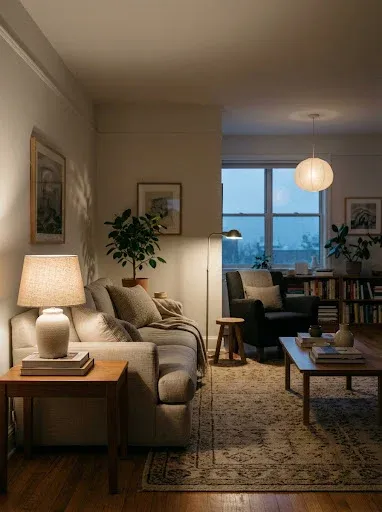
Lighting has a major effect on how comfortable a living room feels. A single bright ceiling light can make the space look flat, while several softer sources create a more relaxed atmosphere.
Combine a floor lamp beside the sofa, a table lamp on a side table, and a gentle ceiling fixture. Choose warm-white bulbs and use shades that diffuse the light instead of exposing a harsh bulb directly.
Styling tip: Place one lamp near the main seating area and another in a darker corner. This helps the room feel evenly lit without making it overly bright.
Budget-friendly idea: A simple plug-in table lamp can make an underused corner feel more intentional.
3. Make the Sofa More Inviting with Layered Textures
A comfortable sofa should look inviting without being buried under too many cushions. Mix a few different textures, such as linen, knitted cotton, velvet, boucle, or brushed wool.
Try combining cushions in varied sizes and finishes, then add one soft throw over the arm or back of the sofa. A subtle mix of solids and quiet patterns usually feels more refined than using many competing prints.
Styling tip: Repeat one color from the rug or curtains in the cushions so the sofa feels connected to the rest of the room.
Practical note: Choose washable or easy-care covers if the sofa is used every day.

4. Ground the Seating Area with a Generous Rug
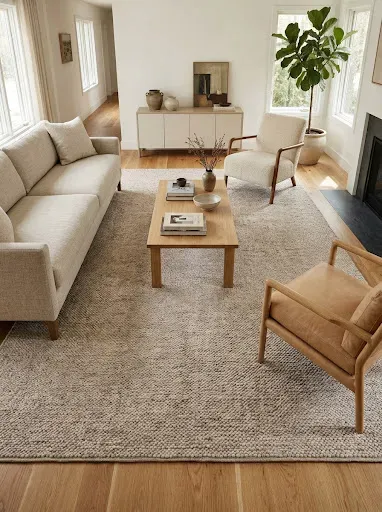
A rug helps define the seating zone and adds warmth underfoot. It can also make furniture feel more connected, particularly in open-plan spaces where the living room shares space with a dining area.
Choose a size that allows at least the front legs of the sofa and chairs to sit on the rug. A rug that is too small can make the seating arrangement feel disconnected.
Styling tip: Natural wool, textured cotton, and low-pile designs are attractive options for everyday living rooms. Select a pattern that complements your existing upholstery rather than competing with it.
Small-room note: A larger, appropriately sized rug can make the seating area feel more unified than several small mats.
5. Bring in Natural Wood and Woven Materials
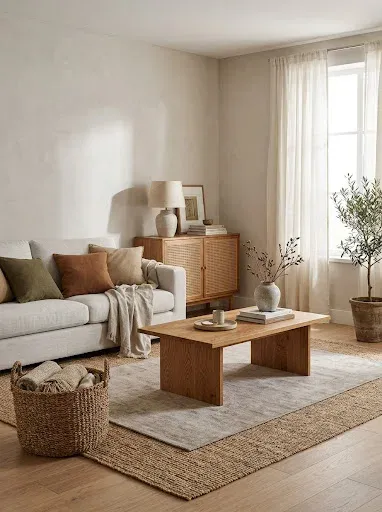
Natural materials make a living room feel less formal and more grounded. Wood, rattan, cane, jute, seagrass, and woven textiles add subtle variation without relying on strong colors.
Try a wooden coffee table, a woven basket for throws, a rattan cabinet door, or a jute accent on a side table. Mix lighter natural finishes with a few darker pieces so the room has visual depth.
Styling tip: Repeat a material at least twice. For example, pair a walnut coffee table with a walnut picture frame or a similar-toned side table.
Best for: Neutral rooms that feel a little flat or overly polished.
6. Create a Comfortable Reading Corner
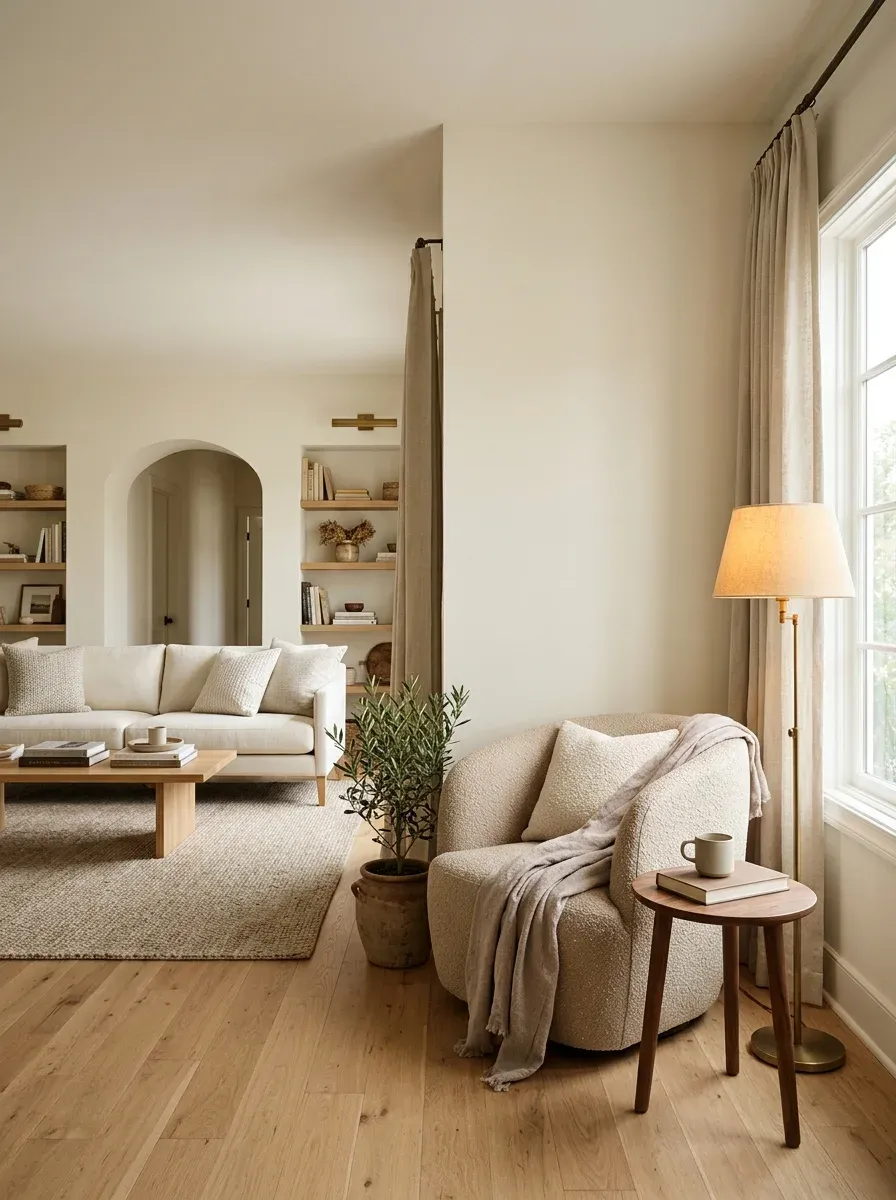
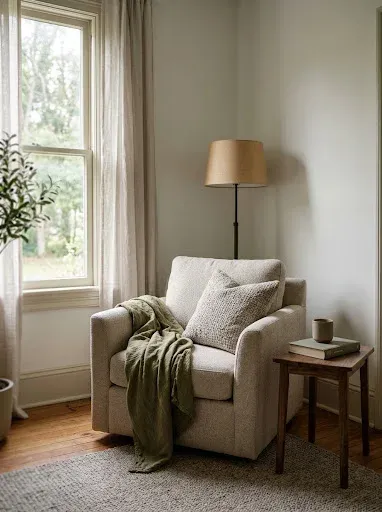
A cozy living room should include at least one spot designed for slowing down. A reading corner can be as simple as a comfortable chair, a small side table, and a dedicated light source.
Place the chair near a window when possible, but avoid blocking the main walkway. Add a soft cushion, a throw, and a small book basket to make the area practical as well as attractive.
Styling tip: A floor lamp with a directed shade is useful because it provides reading light without illuminating the entire room.
For more ways to use an overlooked area, explore our living room corner ideas.
7. Use Curtains to Soften the Room
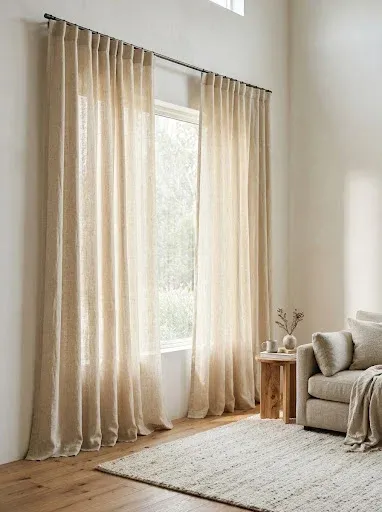
Curtains add softness, control daylight, and help the living room feel finished. Linen-look fabrics, brushed cotton, and heavier textured drapes can all add warmth without making the room feel overly decorated.
Hang the curtain rod slightly above the window frame when possible, and let the panels fall close to the floor. This creates a longer visual line and makes the window treatment feel more intentional.
Styling tip: Choose a curtain color that is close to the wall shade for a calm look, or use a deeper tone to create gentle contrast.
Practical note: Check the curtain length and clearance before ordering, especially around radiators, doors, or low furniture.
8. Add a Personal Touch with Art and Meaningful Objects
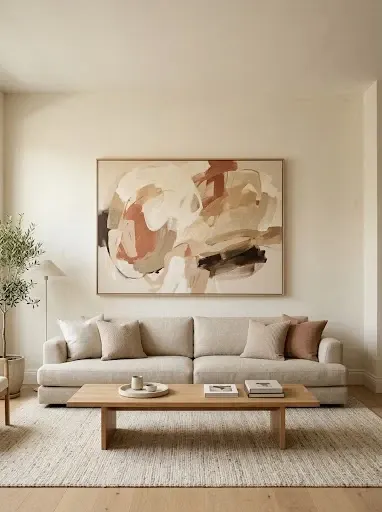
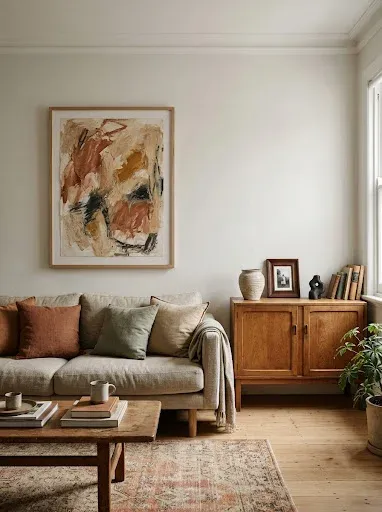
A cozy room should feel personal, not like a showroom. Artwork, framed photographs, a favorite book collection, or a small group of meaningful objects can give the space character.
Choose pieces that share a loose connection, such as similar colors, materials, or subject matter. A single large artwork above the sofa can feel calmer than several small objects arranged without a clear structure.
Styling tip: Leave some open space around decorative objects. A few thoughtfully placed items often feel more special than a crowded shelf.
For more inspiration, see our living room wall art ideas.
9. Arrange Furniture for Conversation and Comfort
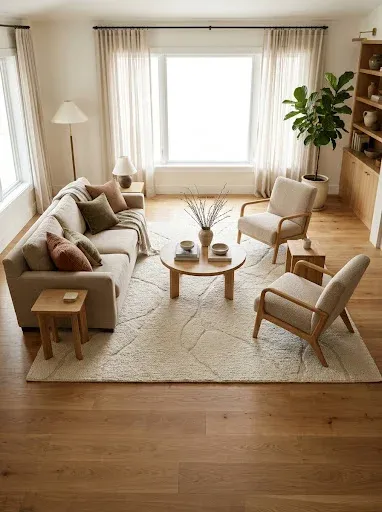
A cozy atmosphere depends on how the room functions. If every seat faces the television, the space may feel less welcoming for conversation. Try arranging the sofa and chairs so people can comfortably see and speak to one another.
In a compact room, even a small adjustment can help. Angle one chair toward the sofa, bring a side table within easy reach, or move the coffee table closer without blocking circulation.
Styling tip: Keep a comfortable walking path through the room. Furniture should feel grouped, but people should not have to squeeze around it.
If your room has a challenging shape, our guide to rectangle living room layouts can help you plan the arrangement.
How to Make a Living Room Feel Cozy Without Cluttering It
Cozy does not have to mean crowded. Start with the items that make the biggest difference: lighting, a comfortable seating arrangement, a rug, and a few tactile fabrics.
Then edit the accessories. Keep useful objects close to where they are needed, store spare throws in a basket, and leave some surfaces clear. A room with breathing space often feels more restful than one filled with decorative pieces.
Common Cozy Living Room Mistakes to Avoid
- Using only one light source: A ceiling fixture alone can make the room feel flat. Add lamps at different heights.
- Choosing too many accent colors: Too many unrelated shades can make the space feel busy. Repeat a small palette throughout the room.
- Buying a rug that is too small: A tiny rug can visually separate the seating pieces instead of connecting them.
- Overfilling the sofa: Too many cushions can reduce useful seating space. Choose a few comfortable pieces in different textures.
- Blocking natural light: Heavy furniture or overly thick window treatments can make a living room feel darker than necessary.
- Ignoring the walking path: A beautiful furniture arrangement will not feel comfortable if people have to move around obstacles.
Frequently Asked Questions
What colors make a living room feel cozy?
Warm neutrals, earthy browns, muted olive, terracotta, soft taupe, and creamy white can make a living room feel inviting. The most successful palette usually repeats a few shades rather than introducing many unrelated colors.
How can I make my living room cozy on a small budget?
Start with lighting and textiles. Add a warm table lamp, rearrange existing furniture into a more conversational layout, introduce a textured throw, and use cushions that connect with the room’s colors. These changes can make the room feel different without major purchases.
How do I make a modern living room feel cozy?
Balance clean-lined furniture with softer materials. Add a textured rug, warm wood, linen or wool fabrics, and layered lighting. You can keep the modern look while making the room more comfortable.
What is the best lighting for a cozy living room?
Use a combination of table lamps, floor lamps, and ambient ceiling lighting. Warm-white bulbs and fabric shades can help create a softer atmosphere, especially in the evening.
How do I make a small living room feel cozy without making it look crowded?
Choose furniture that fits the room, keep the main walkway clear, and use a cohesive color palette. Add comfort through lighting and texture rather than filling every surface with accessories. Our guide to making a small living room feel bigger offers additional space-conscious ideas.
Conclusion
A cozy living room comes together through a balance of comfort, light, color, and personal details. Start with a warm palette, layer a few different textures, and make sure the furniture arrangement supports everyday use. With a handful of thoughtful adjustments, your living room can feel more inviting without losing its openness or style.
Looking for more ideas? Browse our living room & bedroom stories.
Save to Pinterest