In this article
- 1. Make a Statement with One Oversized Artwork Piece
- 2. Display Two Coordinated Prints for a Balanced Look
- 3. Bring Calm into the Room with Japandi Wall Art
- 4. Add Personality with Framed Landscape Photography
- 5. Introduce Color with an Abstract Painting
- 6. Give the Room Character with Vintage-Inspired Artwork
- 7. Add Texture with Textile Wall Art
- 8. Create Dimension with Sculptural Wall Art
- 9. Create a Relaxed Display with Leaning Artwork
- How to Choose the Right Wall Art for Your Living Room
- Consider the size of the wall
- Match the artwork to your room’s color palette
- Choose a style that suits the furniture
- Consider the frame carefully
- Think about natural and artificial lighting
- Leave enough breathing room
- Common Living Room Wall Art Mistakes to Avoid
- Frequently Asked Questions
- What type of wall art looks best in a living room?
- How do I choose artwork above a sofa?
- How many pieces of wall art should I put in my living room?
- What colors should I choose for living room wall art?
- How can I decorate my living room walls without spending much?
- Is oversized wall art suitable for a small living room?
- How do I make my wall art look more expensive?
- Conclusion
The right artwork can completely change the feeling of a living room. It adds color, introduces personality, and helps connect the furniture and decorative details into one cohesive space. Even a simple room with neutral walls and straightforward furniture can feel more finished when the artwork is thoughtfully chosen.
The best living room wall art ideas are not necessarily the most expensive or elaborate. A large abstract canvas, a pair of understated prints, a vintage landscape, or a textured textile piece can each create a different atmosphere. For broader layout and styling tips, explore our guides on long wall decorating ideas and living room corner ideas.
The important part is choosing artwork that suits the size of your wall, the style of your furniture, and the mood you want the room to have. Instead of filling every empty space, focus on a few pieces that feel connected to your home. If you’re designing for a compact room, our living room design ideas for small apartments and rectangle living room layouts can help you balance scale and furniture flow.
Whether you prefer modern, traditional, Japandi, or collected interiors, these nine living room wall art ideas will help you make your walls feel more personal and beautifully styled.
1. Make a Statement with One Oversized Artwork Piece
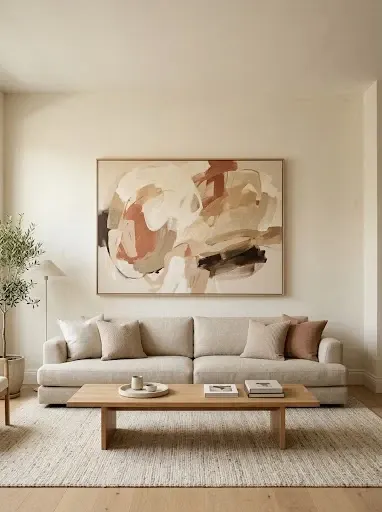
An oversized artwork piece can give a living room an immediate focal point. Instead of arranging several small frames, one large canvas or framed print creates a strong visual feature and makes the wall feel more intentional.
This works particularly well above a sofa, where a larger piece can balance the width of the furniture below it.
Choose artwork that complements the existing color palette. A muted abstract painting can bring warmth to a neutral living room, while a large landscape can introduce soft greens, blues, and earthy tones.
The frame matters too. A slim natural-wood frame creates a relaxed appearance, while a simple black or dark bronze frame can make the artwork feel more contemporary.
How to style it:
- Measure the available wall area before choosing the artwork.
- Consider the sofa width when selecting the print size.
- Choose colors that connect with the rug, cushions, or furniture.
- Keep nearby wall decorations minimal.
- Use appropriate hanging hardware for the artwork’s weight.
Best for: Living rooms with a large empty wall, a wide sofa, or a clear focal area.
Budget tip: A large printable design in a simple frame can create a similar visual effect to an expensive original painting.
2. Display Two Coordinated Prints for a Balanced Look
Two coordinated prints can make a living room feel polished without requiring a large artwork purchase. This arrangement is particularly useful when one oversized piece feels too dominant for the wall.
The prints can feature related subjects, complementary colors, or a consistent illustration style. They do not have to be identical. What matters is that they look connected when displayed together.
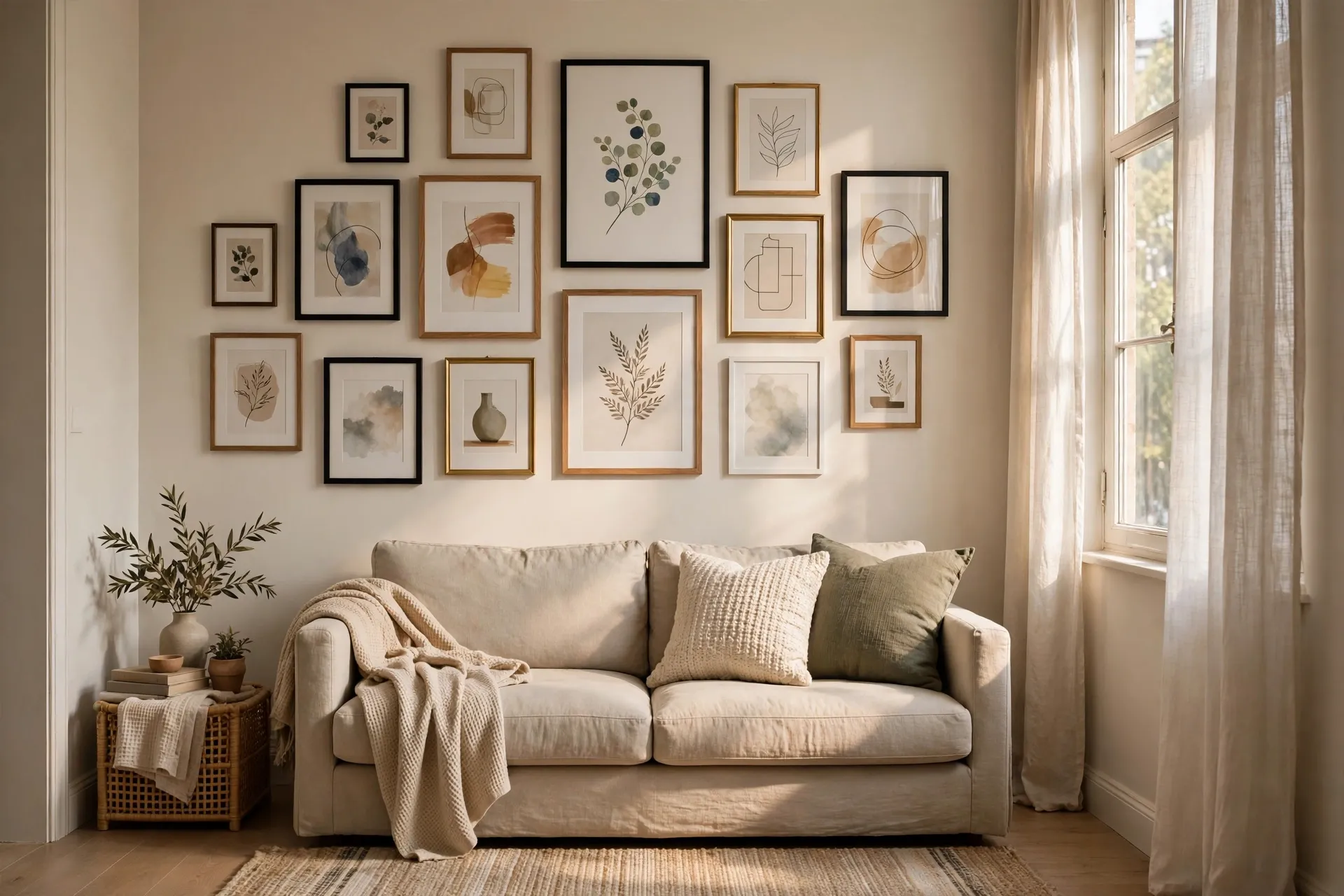
For example, two botanical illustrations can bring a softer natural element to a neutral room. A pair of abstract prints can suit a contemporary interior, while two architectural photographs can create a more structured look.
Place the frames at a consistent height and leave even spacing between them. Above a sofa or console table, the pair should feel like one balanced arrangement.
How to style it:
- Choose two prints with a shared color palette.
- Use matching frames for a coordinated appearance.
- Keep the gap between the frames consistent.
- Align the pair above the furniture below.
- Avoid choosing prints that compete with each other.
Best for: Medium-sized walls, narrow living room spaces, and areas above consoles or sofas.
Budget tip: Printable artwork and two affordable matching frames can create a polished pair without a large decorating budget.
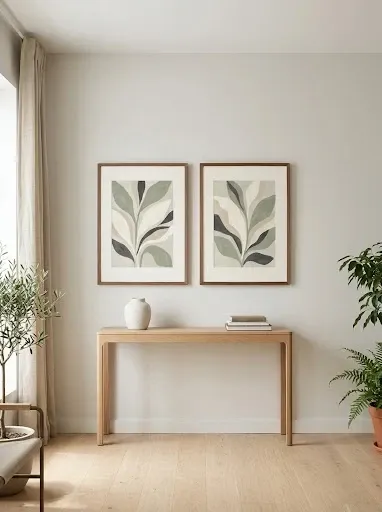
3. Bring Calm into the Room with Japandi Wall Art
Japandi-inspired wall art is a beautiful option when you prefer a calm, understated living room. It combines the simplicity associated with Japanese-inspired design and the warmth of Scandinavian interiors. For more on this aesthetic, read our overview of popular interior design and decorating styles.
The artwork often features minimal line drawings, abstract organic shapes, muted landscapes, and natural forms. Rather than using lots of bright colors, the designs rely on subtle contrast and generous empty space.
Choose prints in warm white, beige, soft charcoal, muted brown, or pale earthy shades. Natural oak or light walnut frames can reinforce the relaxed appearance.
Japandi artwork works especially well when the room already has simple furniture, natural wood, neutral fabrics, and a restrained decorative palette.
How to style it:
- Choose simple artwork with plenty of negative space.
- Use muted colors rather than strong contrasts.
- Select natural-wood or slim black frames.
- Display one larger print or a restrained pair.
- Keep the surrounding decor simple.
Best for: Minimalist living rooms, warm neutral interiors, and spaces with natural materials.
Budget tip: Start with one carefully chosen print instead of purchasing a complete collection of matching artwork.
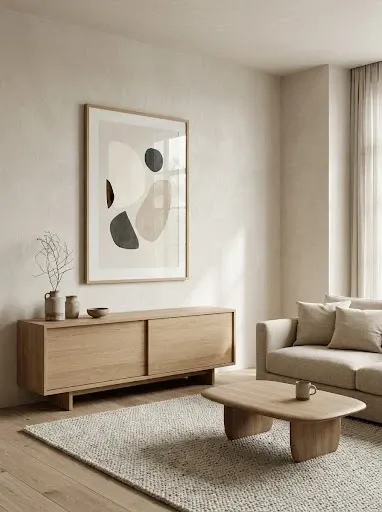
4. Add Personality with Framed Landscape Photography
Landscape artwork brings a sense of nature and openness into the living room. It can introduce color without making the space feel overly decorated.
Choose a scene that reflects the atmosphere you want. Soft coastal photography feels light and airy, while mountain landscapes can introduce depth and earthy shades. Fields, trees, and countryside scenes work particularly well with natural wood furniture and neutral upholstery.
The artwork can be photographic or painterly. A softly toned landscape in a natural-wood frame suits a relaxed interior, while a dramatic monochrome photograph can create a more contemporary statement.
Consider the dominant colors in the image before choosing a frame. A landscape with warm greens and browns may look especially attractive with oak or walnut.
How to style it:
- Select a landscape that complements the living room palette.
- Choose a frame that does not compete with the image.
- Use a larger print when the wall has enough space.
- Place the artwork where it can be appreciated from the seating area.
- Avoid combining several unrelated landscape styles on the same wall.
Best for: Living rooms that need a calming focal point or a subtle connection with nature.
Budget tip: A high-quality landscape print can offer the visual impact of a more expensive artwork without requiring an original painting.
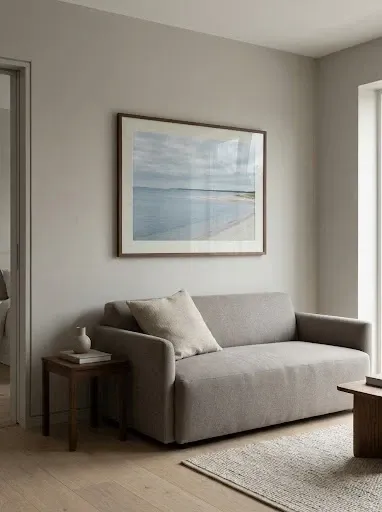
5. Introduce Color with an Abstract Painting
Abstract art is a useful way to introduce color and character into a living room. It does not need to match every cushion or accessory exactly. Instead, choose a painting that shares a few colors with the room and adds something interesting.
For a warm neutral living room, consider abstract artwork with clay, rust, ochre, cream, and muted brown. If the room has cooler tones, try dusty blue, soft gray, sage, or charcoal.
The scale and visual weight of the artwork are important. A large abstract canvas can become the main focal point, while a smaller piece can add a subtle accent to a side wall.
You can choose expressive brushstrokes or more structured geometric forms depending on your interior style.
How to style it:
- Select two or three colors that connect with the room.
- Choose a canvas size that suits the available wall.
- Keep other decorative elements quieter when the art is bold.
- Consider an unframed canvas for a relaxed contemporary look.
- Give the artwork enough surrounding space.
Best for: Contemporary living rooms, neutral interiors, and spaces that feel too plain.
Budget tip: Look for prints from independent artists or affordable canvas reproductions. The scale and color balance matter more than the price.
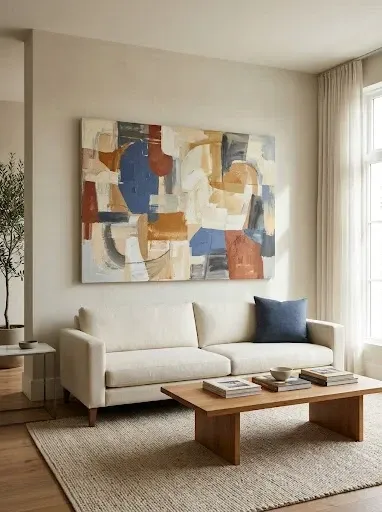
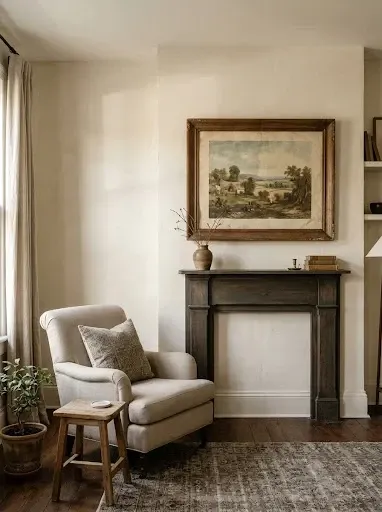
6. Give the Room Character with Vintage-Inspired Artwork
Vintage-inspired artwork adds warmth and a collected feeling to a living room. It can make a modern interior feel less predictable and help create a space that looks personal rather than entirely coordinated.
Consider old-fashioned botanical illustrations, antique-inspired landscapes, architectural drawings, vintage travel imagery, or classical reproductions.
Warm paper tones, muted colors, and traditional frames help establish the look. A walnut or aged-brass frame can work particularly well with cream walls and natural wood furniture.
You do not need to decorate the entire room in a vintage style. A single vintage-inspired piece can create an interesting contrast against a modern sofa or contemporary side table.
How to style it:
- Choose artwork with warm, slightly muted colors.
- Use frames in walnut, dark wood, or understated antique finishes.
- Pair vintage artwork with simpler contemporary furniture.
- Repeat a subtle color from the artwork in a cushion or rug.
- Avoid choosing too many unrelated vintage pieces.
Best for: Collected interiors, traditional living rooms, and modern spaces that need more character.
Budget tip: Reproductions and secondhand frames can help create a vintage appearance without purchasing expensive antique artwork.
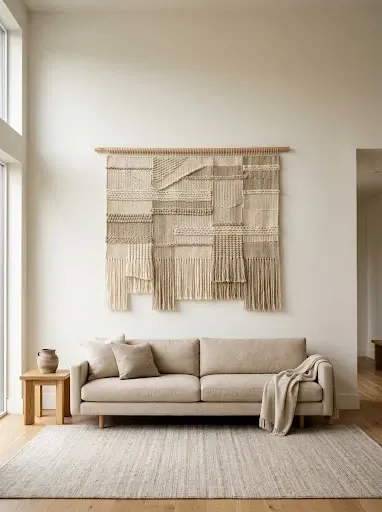
7. Add Texture with Textile Wall Art
Textile wall art offers something different from framed paintings and photographs. It adds physical texture, softness, and a more relaxed quality to a living room.
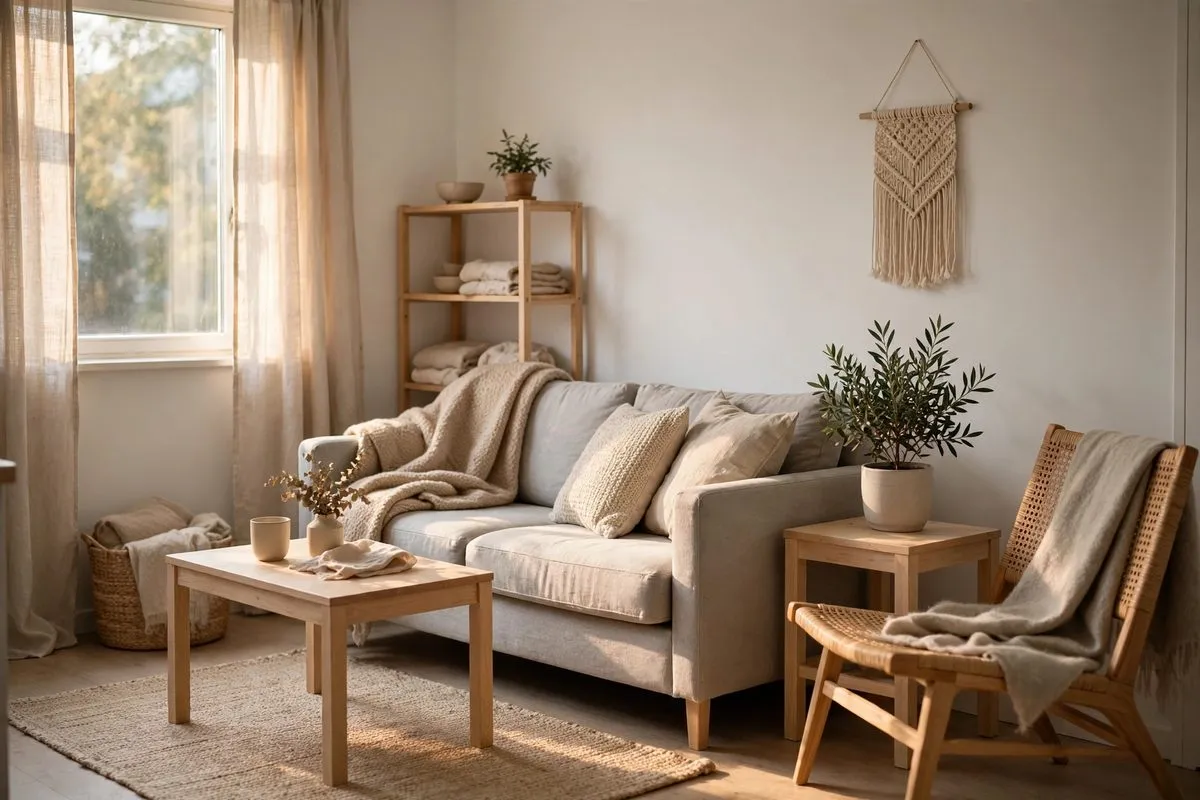
Options include woven wall hangings, small tapestries, fabric panels, and handcrafted textile pieces. Their texture can provide a beautiful contrast against smooth painted walls and clean-lined furniture.
A neutral woven piece works well in a warm, organic interior, while a more colorful textile can become the main feature in an otherwise simple room.
Consider the size carefully. A large hanging can make a statement above a sofa, while a smaller textured piece may work better in a reading corner.
Choose a material and construction that can be maintained easily, particularly if the room receives dust or frequent use.
How to style it:
- Select a textile with colors that complement the room.
- Use a simple hanging method suited to the piece.
- Allow the material’s texture to remain visible.
- Pair it with clean-lined furniture for contrast.
- Avoid placing it where it can be easily snagged or damaged.
Best for: Bohemian, organic modern, eclectic, and relaxed living rooms.
Budget tip: A small handmade textile piece can introduce enough texture without needing a large decorative wall hanging.
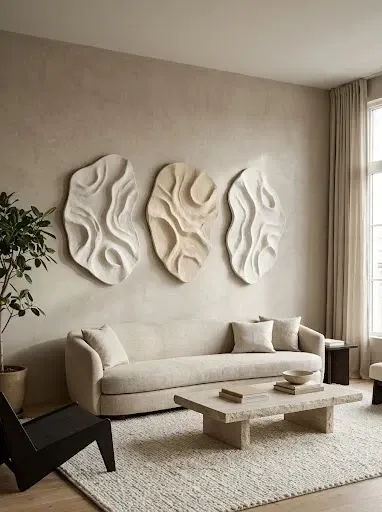
8. Create Dimension with Sculptural Wall Art
Sculptural wall art is a beautiful choice when you want something beyond a traditional framed picture. It brings depth and shadow to the wall, making the artwork feel like part of the room’s architecture.
Look for ceramic relief pieces, carved wooden forms, plaster-style wall sculptures, or simple three-dimensional abstract designs.
For a warm neutral living room, consider a chalk-white ceramic form or a textured sand-colored relief. In a contemporary setting, matte black sculptural details can create a more graphic look.
Because these pieces already have depth, they often work best when given plenty of surrounding space.
How to style it:
- Choose one sculptural piece as the main feature.
- Match the material to the room’s existing finishes.
- Consider how natural light will create shadows across the surface.
- Use secure mounting appropriate for the object’s weight.
- Keep nearby wall decor simple.
Best for: Modern, organic, and minimalist living rooms that need more dimension.
Budget tip: A modest-sized sculptural piece can make a strong statement without requiring a large artwork collection.
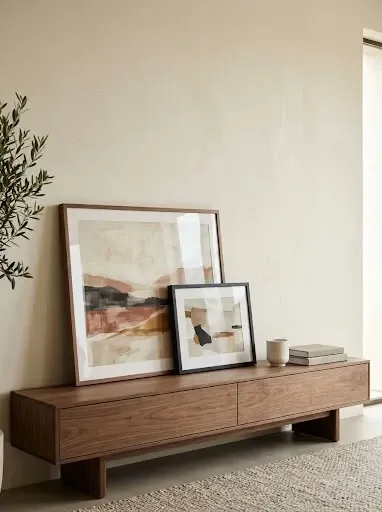
9. Create a Relaxed Display with Leaning Artwork
Leaning artwork creates an informal, layered look that feels collected rather than carefully formal. Instead of hanging every piece on the wall, place one or two framed artworks on a suitable picture ledge, console, or sturdy furniture surface.
This arrangement makes it easy to refresh the display. You can change the print, move the frames, or introduce another small piece without making new holes in the wall.
For a relaxed appearance, combine one larger frame with a smaller print in front. Keep the frames connected through similar colors or materials so the arrangement does not look accidental.
Make sure the artwork is stable and the furniture or ledge can safely support its weight. This display style should be used in a location where frames will not be easily knocked over.
How to style leaning artwork:
- Choose a stable console or properly installed picture ledge.
- Use one larger frame as the main piece.
- Layer a smaller frame in front if there is enough space.
- Coordinate frame finishes or artwork colors.
- Keep nearby objects limited to a few well-chosen details.
Best for: Relaxed contemporary interiors, console tables, and homes where artwork is changed regularly.
Budget tip: Reuse frames and prints you already own. Rearranging them in a new combination can refresh the room without buying new decor.
How to Choose the Right Wall Art for Your Living Room
Choosing artwork becomes much easier when you consider the wall, furniture, and existing colors together. The aim is to find something that feels connected to your home rather than choosing a print simply because it looks attractive on its own.
Consider the size of the wall
Measure the available area before purchasing artwork. A small print can disappear above a wide sofa, while an oversized piece may dominate a narrow wall. Think about the furniture below the artwork and how the entire arrangement will look from the main seating area.
Match the artwork to your room’s color palette
Your artwork does not need to match everything exactly. However, repeating one or two colors from the room can help the piece feel connected. Look at the sofa, rug, cushions, curtains, and wood finishes before selecting a print.
Choose a style that suits the furniture
Minimalist artwork can work beautifully with simple furniture, while vintage pieces can introduce warmth into a modern setting. Abstract art offers flexibility when you want to introduce color or create a more expressive focal point.
Consider the frame carefully
Frames influence how artwork looks on the wall. Natural wood feels warm and relaxed, black creates contrast, and antique finishes add a more traditional touch. A simple frame often lets the artwork remain the main feature.
Think about natural and artificial lighting
Natural light can reveal the texture and color of artwork, but direct sunlight may affect some prints over time. Consider reflections from windows and lamps, especially when artwork is displayed behind glass.
Leave enough breathing room
Not every empty wall needs a decoration. Artwork often looks more attractive when it has space around it rather than being surrounded by too many small accessories.
Common Living Room Wall Art Mistakes to Avoid
- Choosing artwork that is too small: A small print can look disconnected on a large wall, particularly above a sofa. Measure the available area and consider the scale of the furniture below it.
- Matching every color too closely: Artwork should connect with the room, but it does not need to repeat every color exactly. A little contrast can make the display more interesting.
- Hanging frames at inconsistent heights: When displaying two coordinated prints, uneven positioning can make the arrangement look unfinished. Plan the layout on the floor before fixing the frames to the wall.
- Using too many different frame finishes: A mixture of frame materials can look collected, but too many unrelated finishes may create visual clutter. Repeat a few materials or colors for a more balanced result.
- Ignoring the furniture underneath: Artwork should relate to nearby furniture. Consider the width of the sofa, console, or sideboard before selecting the scale and position of a piece.
- Choosing artwork that competes with the room: If the living room already has patterned upholstery, colorful rugs, and decorative furniture, very busy artwork may make the space feel crowded. Choose pieces that complement the existing features.
- Forgetting how the artwork is secured: Heavy frames and sculptural pieces need appropriate mounting hardware. Make sure the wall, fittings, and installation method are suitable for the object’s weight.
Frequently Asked Questions
What type of wall art looks best in a living room?
Oversized abstract artwork, framed landscapes, botanical illustrations, Japandi prints, vintage-inspired pictures, and sculptural wall pieces can all look beautiful. The best choice depends on the room’s style, wall size, and existing color palette.
How do I choose artwork above a sofa?
Consider the width and height of the sofa, the available wall area, and the colors already in the room. A larger statement print or a pair of coordinated artworks can create a balanced arrangement without making the wall feel crowded. Aim for artwork that spans about two-thirds to three-quarters of the sofa’s width.
How many pieces of wall art should I put in my living room?
There is no fixed number. One oversized artwork piece may be enough for a large wall, while a medium-sized area may suit two coordinated prints or one smaller statement piece. Focus on balance rather than filling every empty space.
What colors should I choose for living room wall art?
Choose colors that complement your room’s palette. Warm neutrals, muted earth tones, soft blue, olive, charcoal, and abstract combinations can all work depending on the furniture and finishes.
How can I decorate my living room walls without spending much?
Use printable artwork, affordable reproductions, secondhand frames, or artwork you already own. Changing the frame or rearranging existing pieces can also give familiar artwork a fresh appearance.
Is oversized wall art suitable for a small living room?
Yes. A single well-proportioned artwork piece can create a clear focal point and sometimes look less cluttered than many small frames. Make sure it fits the available wall and does not overwhelm the furniture.
How do I make my wall art look more expensive?
Choose an appropriate size, use a simple quality-looking frame, and leave enough space around the artwork. A carefully selected print displayed at the right height can look more polished than several mismatched decorative pieces.
Conclusion
Living room wall art is one of the simplest ways to introduce personality and bring a room’s design together. Whether you choose a large abstract painting, a pair of coordinated prints, a vintage landscape, or a textured sculptural piece, the right artwork can give your space a more finished feeling.
Start by considering the wall and furniture you already have, then choose a piece that complements the room without competing with everything around it.
You do not need a large collection to make an impact. A few thoughtfully selected artworks, displayed at the right scale, can make your living room feel more personal, welcoming, and beautifully styled.
Looking for more ideas? Browse our living room & bedroom stories.
Save to Pinterest