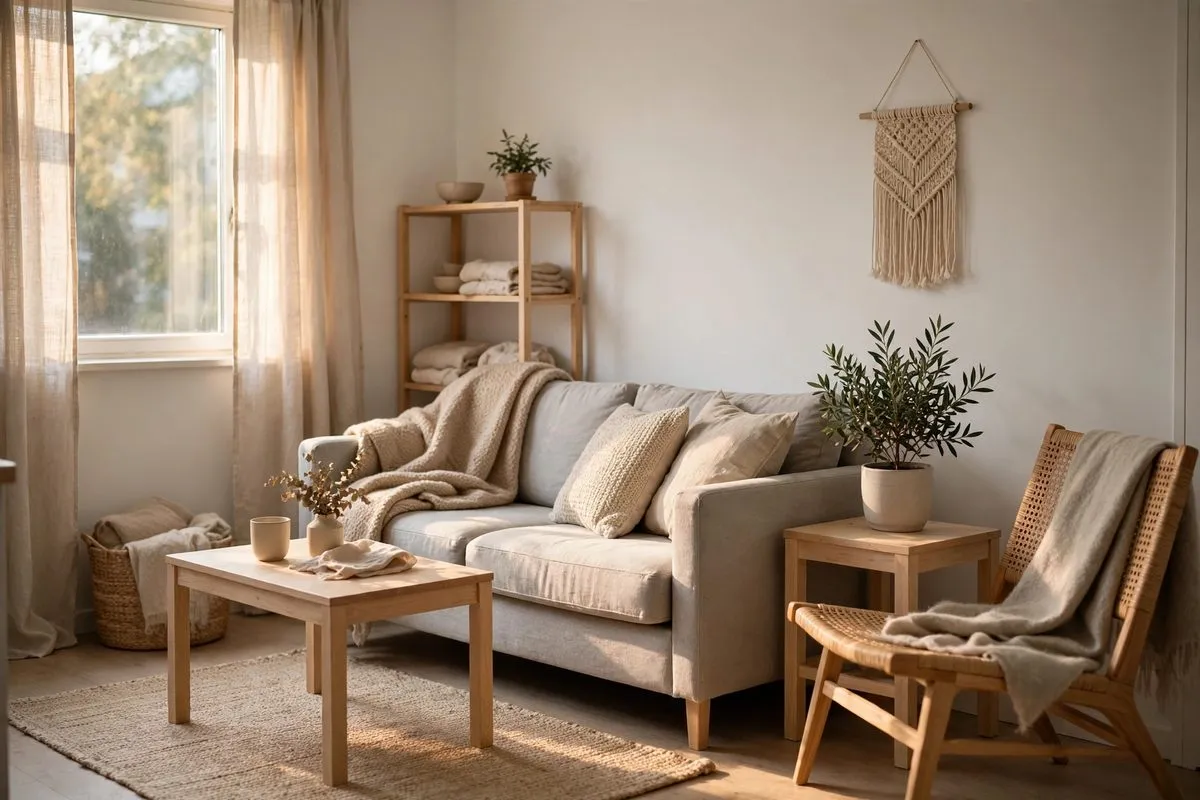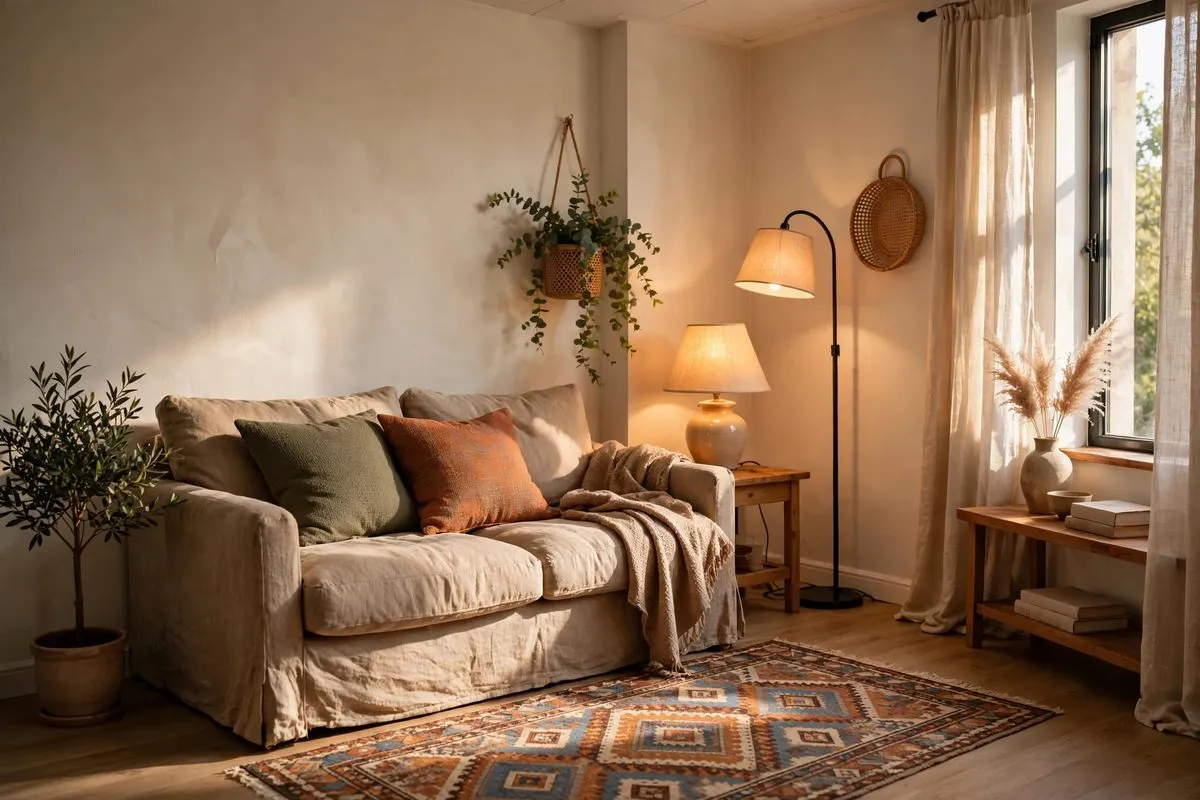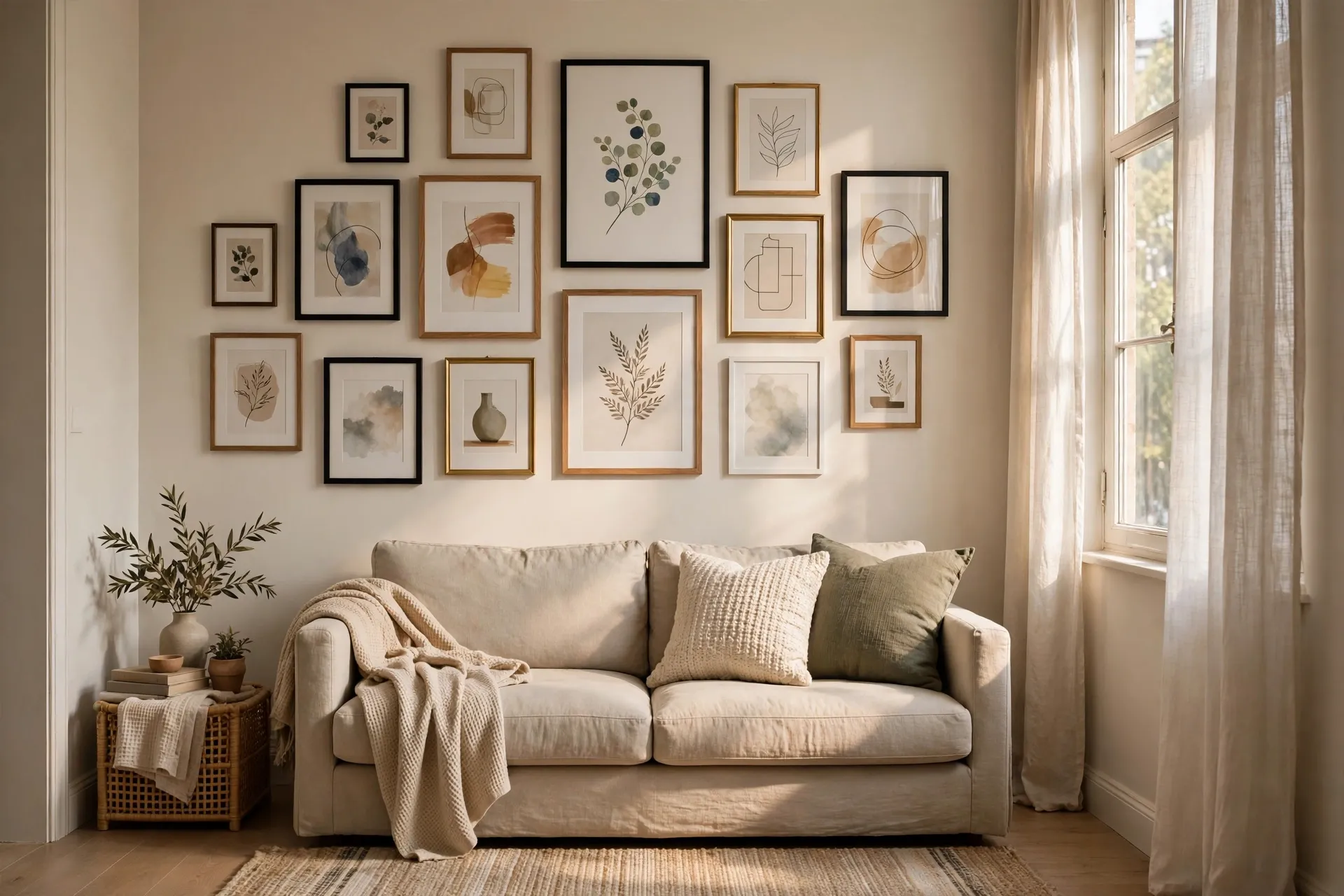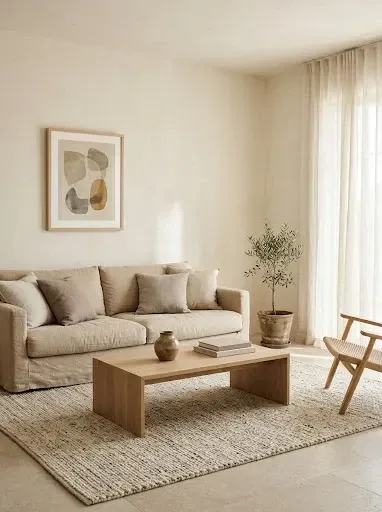
In this article
- 1. Start with a Sun-Washed Neutral Color Palette
- 2. Give Walls a Soft Plaster-Like Finish
- 3. Bring in Natural Stone and Earthy Surfaces
- 4. Use Arches and Rounded Shapes to Soften the Room
- 5. Add Olive, Terracotta, and Earthy Accent Colors
- 6. Layer Linen and Natural Textiles
- 7. Combine Handcrafted Wood and Rustic Ceramics
- 8. Use Woven Lighting and an Indoor-Outdoor Feel
- How to Create a Modern Mediterranean Look Room by Room
- Modern Mediterranean living room
- Modern Mediterranean bedroom
- Modern Mediterranean dining area
- Modern Mediterranean small apartment
- Common Modern Mediterranean Decorating Mistakes to Avoid
- Frequently Asked Questions
- What is modern Mediterranean decor?
- What colors are used in modern Mediterranean interiors?
- What materials work best for modern Mediterranean decor?
- Can I create modern Mediterranean decor in a small apartment?
- Is modern Mediterranean decor the same as rustic decor?
- How can I decorate in a modern Mediterranean style on a budget?
- Can modern Mediterranean style work with contemporary furniture?
- Conclusion
There is something effortlessly inviting about modern Mediterranean interiors. They feel warm without being heavy, simple without looking empty, and natural without appearing overly rustic. Instead of relying on bold decoration or complicated furniture arrangements, this style brings together soft colors, organic shapes, natural materials, and thoughtful details. For a broader perspective on how this pairs with other aesthetics, see our guide to interior design and decorating styles.
Modern Mediterranean decor takes inspiration from the relaxed atmosphere of Mediterranean homes but gives it a cleaner, more contemporary interpretation. Think warm plaster-like walls, limestone-inspired surfaces, rounded architectural details, linen textiles, handmade ceramics, and natural wood.
The beauty of this look is that you do not need a villa, an arched doorway, or a complete renovation to bring it into your home. A few carefully chosen materials and finishes can introduce the same relaxed feeling in an apartment, a small living room, or a modest bedroom. If you’re designing within tight dimensions, our living room design ideas for small apartments and tips to make a small living room feel bigger provide practical layout guidance.
If you want a home that feels bright, grounded, and beautifully lived in, these eight modern Mediterranean decor ideas will help you create the look in a practical way.
1. Start with a Sun-Washed Neutral Color Palette
A warm neutral palette is the foundation of modern Mediterranean decor. Instead of using cool, stark white throughout the home, choose colors that feel softer and more natural.
Think ivory, warm white, sand, limestone beige, oat, pale terracotta, and soft mushroom. These shades create a gentle background that allows natural materials and furniture to stand out.
The trick is to use more than one neutral. A room decorated entirely in the same shade of beige can look flat, so introduce subtle differences through the walls, upholstery, flooring, and accessories.
For example, a living room might have warm ivory walls, a sand-colored sofa, a natural linen rug, and pale oak furniture. A few darker accents can add definition without disturbing the calm palette.
How to create the look:
- Use warm white or ivory as the main wall color.
- Choose beige or oatmeal upholstery for larger furniture.
- Introduce sand and taupe through rugs and curtains.
- Add small touches of terracotta or muted brown.
- Use black or dark bronze sparingly for contrast.
Best for: Living rooms, bedrooms, dining areas, and apartments that need a lighter, warmer appearance.
Budget tip: Start by changing smaller textile pieces, such as cushions and curtains, rather than repainting every wall or replacing large furniture.
2. Give Walls a Soft Plaster-Like Finish
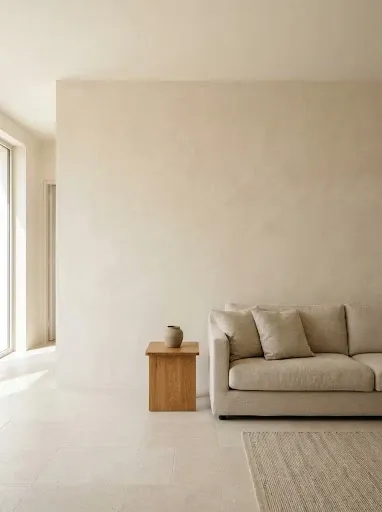
Textured walls are one of the most recognizable features of Mediterranean-inspired interiors. Their slightly imperfect appearance gives a room depth and warmth without requiring decorative patterns. For accent wall inspiration, explore our creative long wall decorating ideas.
A modern interpretation often uses smooth, subtle plaster effects in warm ivory, pale sand, or creamy beige. The result is softer than a perfectly flat white wall but still feels clean and contemporary.
You can recreate the appearance with suitable textured paint, decorative wall finishes, or wallpaper designed to imitate plaster. Even a simple matte wall color with a gentle variation in tone can create a similar feeling.
Use the finish on one main wall if you want a more affordable update. A living room focal wall or the wall behind a bed can provide enough visual interest without treating the entire room.
How to use plaster-inspired walls:
- Choose a warm neutral rather than a cool gray-white.
- Keep the texture subtle and natural-looking.
- Use matte finishes where suitable.
- Pair the wall with simple wood and stone-inspired materials.
- Avoid adding too many busy wall decorations.
Best for: Living rooms, bedrooms, dining rooms, and quiet reading corners.
Budget tip: Try a plaster-effect feature wall or suitable textured wallpaper before considering a full-room decorative finish.
3. Bring in Natural Stone and Earthy Surfaces
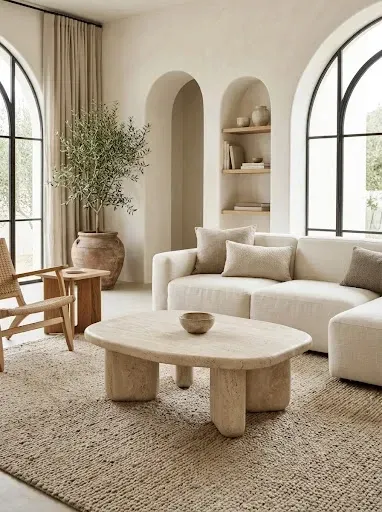
Natural stone gives Mediterranean interiors their grounded, timeless character. Its subtle variations, organic patterns, and soft earthy colors add texture without making the room feel busy.
You can introduce stone through a coffee table, a side table, a decorative tray, a countertop, or a stone-look accessory. You do not need expensive marble or limestone throughout the home.
Travertine-inspired finishes are particularly useful when you want a warm, softly textured appearance. Limestone-look surfaces and matte ceramic finishes can create a similar visual connection.
For a living room, try a simple stone-look coffee table paired with a linen sofa and oak furniture. In a bedroom, a small stone-effect bedside accessory can introduce the material without overwhelming the space.
How to introduce natural stone:
- Choose warm beige, ivory, or pale taupe stone tones.
- Use one noticeable stone feature rather than several competing pieces.
- Pair stone with linen and natural wood.
- Prefer understated patterns over highly dramatic veining.
- Use stone-inspired accessories when natural stone is outside your budget.
Best for: Living rooms, coffee tables, bedside arrangements, and calm modern interiors.
Budget tip: A small stone-look tray or side table can introduce the same material direction without the expense of large stone surfaces.
4. Use Arches and Rounded Shapes to Soften the Room
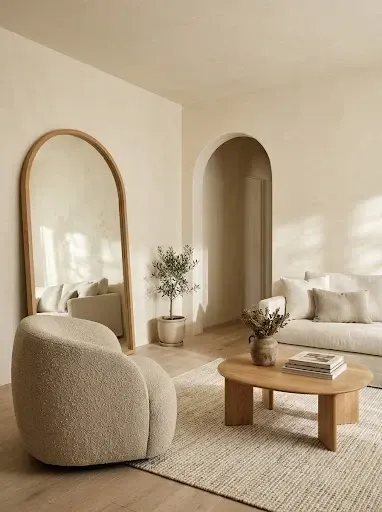
Modern Mediterranean interiors often feature rounded architectural forms. Arched doorways, curved niches, rounded mirrors, and softly shaped furniture help balance the straight lines found in most contemporary homes.
You can bring this idea into your home without structural renovation. An arched mirror, rounded side table, curved sofa, or decorative niche can introduce the same visual softness.
In a living room, consider a rounded coffee table with a soft-edged sofa. In a bedroom, an arched mirror or curved upholstered headboard can make the arrangement feel more relaxed.
The key is to use curves with restraint. You do not need every piece of furniture to be rounded. A single curved feature can provide enough contrast.
How to introduce curves:
- Add an arched mirror above a console or dresser.
- Choose a rounded coffee table instead of a sharp rectangular design.
- Use curved dining chairs or a softly shaped accent chair.
- Consider an arched decorative frame or wall niche.
- Balance curved shapes with simple, straight-lined furniture.
Best for: Modern apartments, compact living rooms, entry areas, and bedrooms.
Budget tip: A rounded mirror or small curved accent table is an easy starting point if you do not want to replace larger furniture.
5. Add Olive, Terracotta, and Earthy Accent Colors
Although modern Mediterranean interiors often begin with neutrals, they do not have to be completely colorless. Muted earthy shades add warmth and connect the decor to natural landscapes and materials.
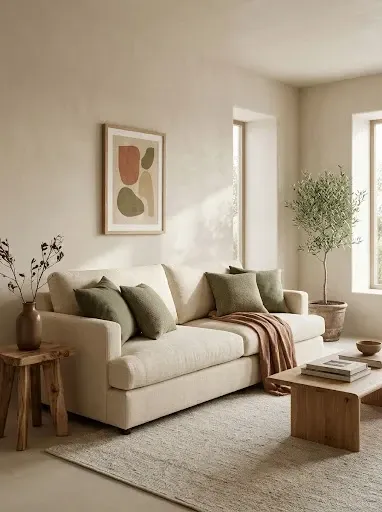
Olive green, clay, terracotta, rust, tobacco brown, and muted ochre all work beautifully with warm ivory and sand.
The most effective approach is to introduce these colors through a few intentional details. Olive cushions, a terracotta ceramic vase, a muted rust throw, or a brown accent chair can provide enough color without changing the calm character of the room.
You can also use earthy colors in artwork or a feature wall, especially when the rest of the room has a restrained palette.
How to style earthy accents:
- Choose one main accent color and one supporting shade.
- Use olive through cushions, artwork, or small accessories.
- Add terracotta through ceramics or decorative objects.
- Repeat warm brown in wood or leather details.
- Keep the larger surfaces neutral for balance.
Best for: Bedrooms, living rooms, dining spaces, and homes with natural wood finishes.
Budget tip: Use cushion covers, small vases, and throws to introduce earthy colors before committing to expensive furniture or paint changes.
6. Layer Linen and Natural Textiles
Textiles play an important role in making modern Mediterranean interiors feel comfortable rather than overly formal. Linen, cotton, wool, and natural woven fabrics bring softness to the room and balance the harder surfaces of stone, plaster, and wood.
Linen curtains are particularly useful because they filter daylight gently and create a relaxed appearance. A natural linen sofa cover, cotton bedding, or textured neutral rug can also help establish the look.
The goal is not to make every textile match. Instead, combine a few natural-looking fabrics in complementary colors and textures.
For a bedroom, try ivory bedding, oatmeal pillowcases, and a warm beige throw. In a living room, layer a linen sofa with a cotton cushion and a natural-texture rug.
How to layer natural textiles:
- Choose linen-look curtains in warm white or natural beige.
- Use cotton or linen bedding in simple neutral shades.
- Add cushions with subtle woven textures.
- Introduce a natural-fiber rug where appropriate.
- Keep patterns restrained and let the fabrics add interest.
Best for: Bedrooms, living rooms, reading corners, and spaces where softness is important.
Budget tip: Change one textile category at a time. New curtains or a textured cushion arrangement can make an immediate difference without replacing the sofa or bed.
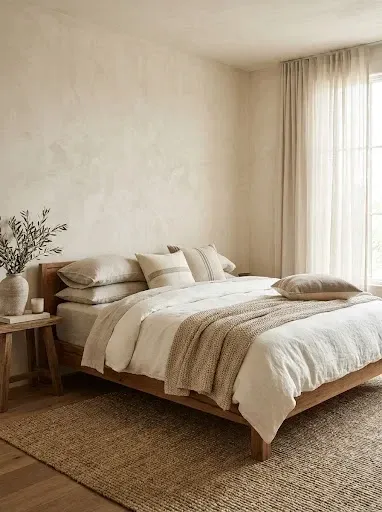
7. Combine Handcrafted Wood and Rustic Ceramics
Modern Mediterranean decor feels more personal when it includes natural materials with visible character. Handcrafted-looking wooden furniture and ceramic objects bring warmth, texture, and a sense of individuality to the room.
Look for wood with natural grain, simple shapes, and warm finishes. A low wooden coffee table, a solid dining table, or a simple bedside cabinet can become a beautiful focal point.
For ceramics, choose pieces with softly irregular shapes, matte finishes, or subtle earthy glazes. A handmade-looking vase, decorative bowl, or ceramic lamp base can make a neutral space feel more collected.
Avoid using too many decorative objects together. A few carefully selected pieces usually look more considered than a collection of unrelated accessories.
How to use wood and ceramics:
- Choose furniture with visible natural wood grain.
- Add a ceramic vase or bowl as a small focal detail.
- Mix matte ceramic finishes with warm wood.
- Keep decorative objects in a connected color palette.
- Allow natural material textures to remain visible.
Best for: Living rooms, dining spaces, bedroom side tables, and entryway consoles.
Budget tip: A secondhand wooden table or one attractive ceramic vase can add character without requiring an entirely new furniture arrangement.
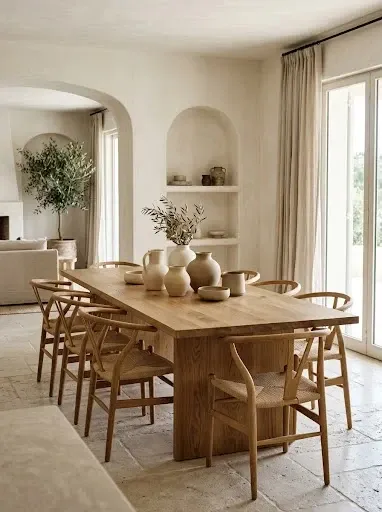
8. Use Woven Lighting and an Indoor-Outdoor Feel
Lighting and the connection to nature help complete the modern Mediterranean atmosphere. Woven pendant shades, natural-fiber lampshades, soft daylight, and views of greenery make rooms feel relaxed and open.
A woven pendant can add texture above a dining table or in a living area. A natural-fiber table lamp can introduce the same material in a smaller room where a large pendant may not be practical.
The indoor-outdoor feeling does not require a large terrace or garden. Keep window areas visually open, choose light curtains, and arrange furniture so natural light can move through the room. Where suitable, add one or two natural details that connect the space to the outdoors, such as a ceramic planter or a simple branch arrangement.
For smaller rooms, prioritize light, openness, and practical furniture placement rather than filling the room with large accessories.
How to create the atmosphere:
- Choose woven or natural-fiber lighting where it suits the room.
- Use warm, diffused bulbs for a comfortable evening atmosphere.
- Keep window treatments light and softly textured.
- Avoid blocking natural light with oversized furniture.
- Use a restrained selection of natural decorative elements.
Best for: Living rooms, dining areas, bedrooms, and homes with good natural light.
Budget tip: A woven table lamp or light natural curtains can introduce the look without changing the ceiling fixtures or undertaking structural work.
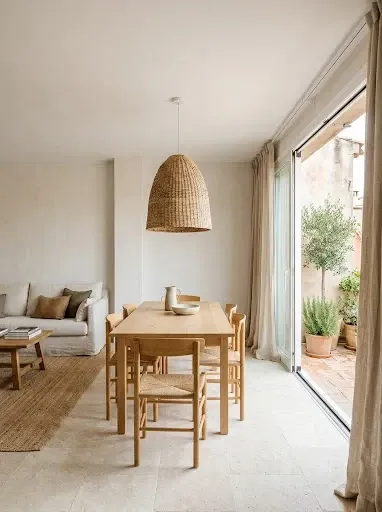
How to Create a Modern Mediterranean Look Room by Room
The same design principles can work in different parts of the home. The key is to adjust the materials and colors to suit each room rather than copying one arrangement everywhere.
Modern Mediterranean living room
Start with warm neutral walls, a comfortable sofa, and a natural-texture rug. Add a rounded coffee table, a stone or ceramic accessory, and cushions in muted olive or terracotta. Keep the furniture arrangement open enough for easy movement. A few natural materials and one strong focal feature are more effective than filling the room with decorations.
Modern Mediterranean bedroom
Use warm white, oatmeal, or sand-colored bedding. Add a soft textured throw, a wooden bedside table, and a ceramic lamp. An arched mirror or subtle plaster-effect wall can give the room more character. Keep the bed visually calm and let the textiles provide most of the softness.
Modern Mediterranean dining area
A natural wood dining table is an effective starting point. Pair it with simple chairs, a woven pendant light, and a low ceramic centerpiece. Choose understated table linens and keep the surrounding decor simple so the materials remain visible.
Modern Mediterranean small apartment
In a compact home, use the style selectively. Choose a warm neutral base, one or two curved details, and a few natural materials. Avoid oversized furniture and too many decorative objects. A small stone-look side table, linen curtains, and an earthy cushion palette can be enough to introduce the overall feeling.
Common Modern Mediterranean Decorating Mistakes to Avoid
- Using only plain beige: A neutral palette is important, but too much of one flat shade can make a room look unfinished. Add subtle variations through ivory, sand, taupe, and natural textures.
- Making the room look overly rustic: Modern Mediterranean style is not simply farmhouse or rustic decor. Avoid filling the room with distressed wood, excessive vintage accessories, or heavy decorative pieces. Keep the shapes clean and the styling edited.
- Choosing too many statement materials: Stone, plaster, wood, ceramics, and woven details can all work beautifully together. However, using too many strong finishes in one room can make the design feel busy. Choose a few materials and repeat them thoughtfully.
- Adding too much terracotta: Terracotta is an attractive accent, but it does not need to dominate the room. Use it selectively with ivory, sand, olive, and natural wood.
- Ignoring lighting: A beautiful neutral room can feel flat under harsh lighting. Combine natural daylight with warm, diffused lamps and suitable overhead lighting.
- Filling every surface with accessories: The style works best when objects have space around them. Avoid decorating every table, shelf, and corner. A few meaningful pieces can make a room feel more relaxed.
- Copying architectural details that do not suit the home: Arches, niches, and textured walls can be beautiful, but not every home needs them. Use decorative mirrors, curved furniture, and subtle finishes to introduce similar details without forcing a structural style onto the room.
Frequently Asked Questions
What is modern Mediterranean decor?
Modern Mediterranean decor is a contemporary interpretation of the relaxed interiors associated with Mediterranean homes. It combines warm neutral colors, natural materials, soft architectural shapes, earthy accents, textured fabrics, and handcrafted details with cleaner lines and more restrained styling.
What colors are used in modern Mediterranean interiors?
Common colors include warm white, ivory, sand, beige, taupe, olive green, terracotta, rust, and muted brown. These shades create a natural palette with warmth and subtle contrast.
What materials work best for modern Mediterranean decor?
Natural-looking materials such as wood, stone, linen, cotton, ceramics, and woven fibers work particularly well. Textured plaster-like finishes and matte surfaces can also help establish the style.
Can I create modern Mediterranean decor in a small apartment?
Yes. Use a warm neutral base, simple natural materials, and a few curved details. Choose furniture that fits the room, keep surfaces edited, and let natural light remain a priority.
Is modern Mediterranean decor the same as rustic decor?
No. Both styles can use natural wood and earthy colors, but modern Mediterranean interiors generally have cleaner silhouettes, softer finishes, and more restrained styling. They do not rely on distressed furniture or heavy rustic decoration.
How can I decorate in a modern Mediterranean style on a budget?
Start with small changes such as warm neutral cushions, linen-look curtains, a ceramic vase, natural wood accessories, and a suitable woven lamp. You can also update the wall color or create one plaster-effect feature wall if you want a more noticeable change.
Can modern Mediterranean style work with contemporary furniture?
Yes. Contemporary furniture often works well because its simple shapes provide a clean foundation. Add organic curves, warm wood, stone-inspired finishes, and natural textiles to soften the overall look.
Conclusion
Modern Mediterranean decor is about creating a home that feels warm, natural, and relaxed without becoming overly decorated. Its appeal comes from the balance between soft neutral colors, organic shapes, natural textures, and carefully chosen details.
You do not need to change every room or invest in expensive architectural features to create the atmosphere. Start with a warm color palette, introduce a natural material, and add a few details such as linen textiles, curved shapes, or handmade ceramics.
The most beautiful result comes from choosing elements that work naturally with your home. Keep the design simple, let textures do the work, and allow the space to feel comfortable rather than perfectly staged.
Looking for more ideas? Browse our small space living stories.
Save to Pinterest