In this article
- 1. Warm White and Natural Beige
- 2. Sage Green and Cream
- 3. Chocolate Brown and Soft Ivory
- 4. Dusty Blue and Crisp White
- 5. Terracotta and Warm Cream
- 6. Charcoal Gray and Soft Blush
- 7. Soft Lavender and Warm White
- 8. Olive Green and Natural Linen
- 9. Classic Navy and Soft Gray
- How to Combine Bedding Colors Without Making the Bed Look Busy
- How to Layer Bedding for a More Finished Look
- Common Bedding Styling Mistakes to Avoid
- Frequently Asked Questions
- What are the best bedding color combinations?
- How many colors should you use when styling a bed?
- How do you make bedding look layered?
- Can you mix different bedding patterns?
- How can you make neutral bedding look interesting?
- Final Thoughts
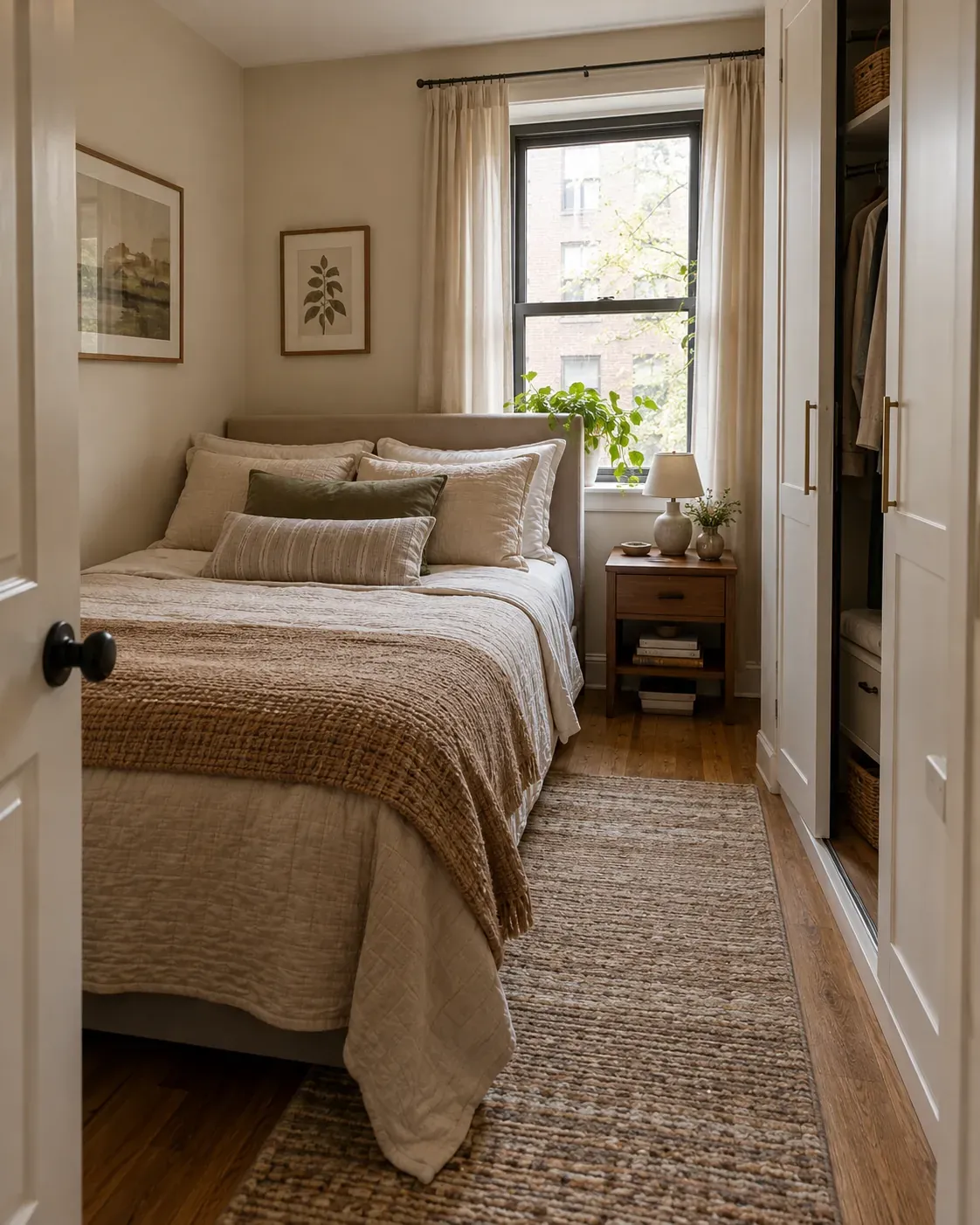
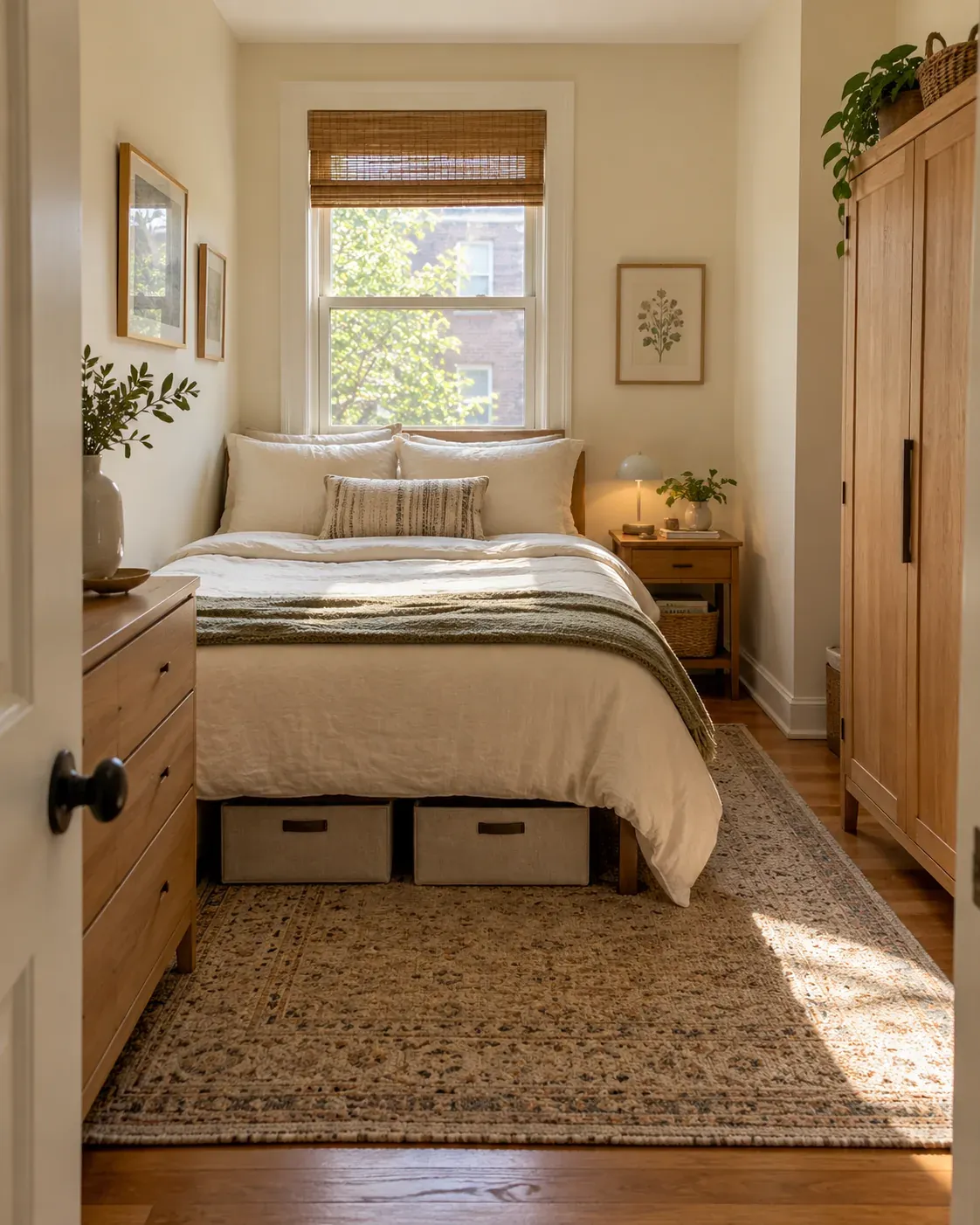
A beautifully styled bed can change the entire feeling of a bedroom. It does not require expensive furniture or a complete room makeover. Often, the difference comes down to choosing the right bedding colors, mixing a few complementary textures, and layering everything in a way that feels natural.
The best bedding combinations bring together sheets, duvets, quilts, blankets, and pillows without making the bed look too busy. Some pairings feel calm and understated, while others introduce warmth, contrast, or a little color.
If you are looking for fresh bedding combos that make your bedroom feel more inviting, these nine combinations offer inspiration for different decorating styles. Whether you prefer soft neutrals, earthy colors, or a more polished hotel-inspired look, you can adapt these ideas to suit your space. For furniture placement guidance, explore our small bedroom layout ideas.
1. Warm White and Natural Beige
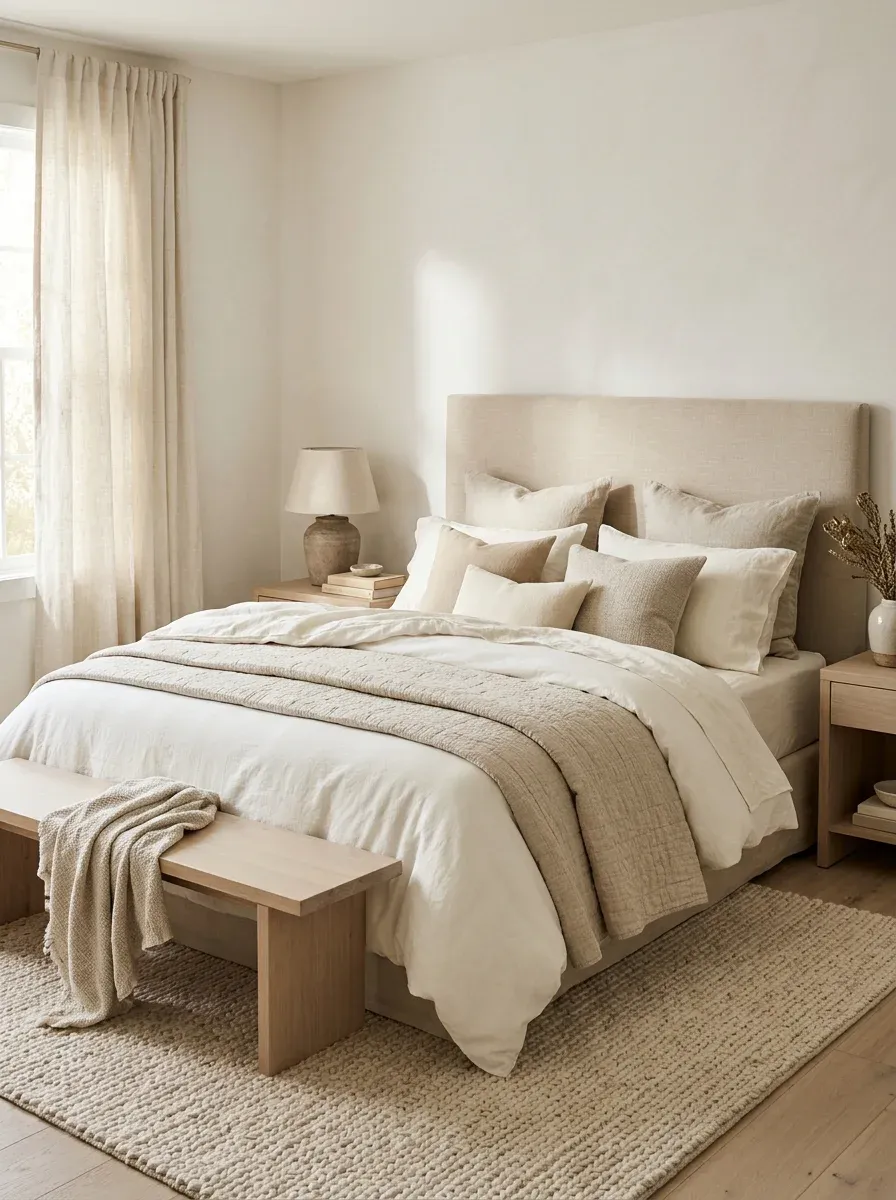
Warm white and beige create a soft, relaxed combination that works beautifully in bedrooms with natural materials and understated decor.
Start with warm white sheets and a matching duvet cover. Add a beige quilt folded across the lower third of the bed, then introduce a few pillows in slightly different shades of cream, sand, and oatmeal.
The secret is to use different textures rather than several nearly identical fabrics. A crisp cotton duvet, a knitted throw, and linen pillowcases give the arrangement depth while keeping the palette quiet.
How to style it:
- Choose warm white or ivory as the main bedding color.
- Add a beige or oatmeal quilt for contrast.
- Mix cotton, linen, and knitted textures.
- Keep decorative pillows within the same warm neutral palette.
Best for: Minimalist, Scandinavian, organic modern, and relaxed contemporary bedrooms.
2. Sage Green and Cream
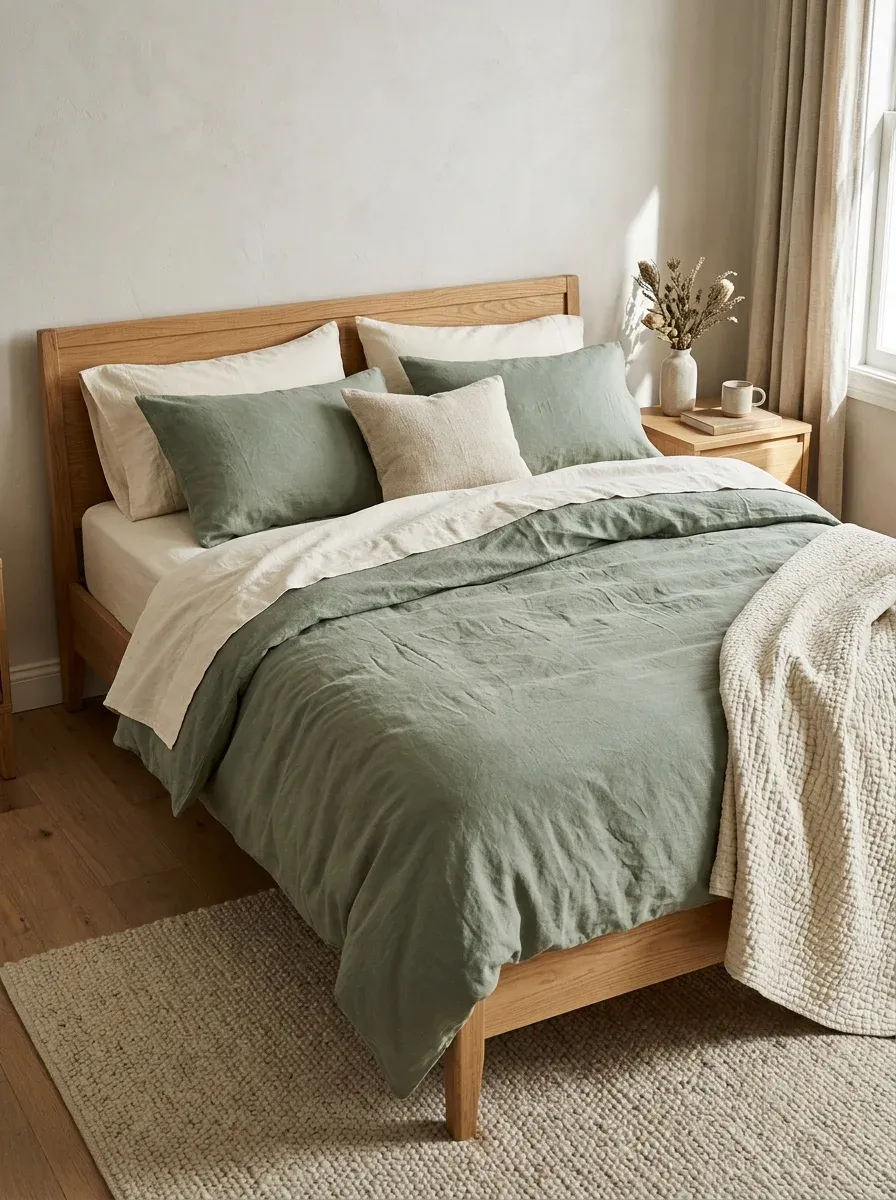
Sage green brings a gentle hint of color into the bedroom without making the space feel overwhelming. Paired with cream, it creates a fresh and calming combination.
Use cream sheets as the base and choose a sage green duvet cover or quilt. Add cream pillowcases and one or two textured cushions to soften the contrast. A subtle botanical pattern can work well, but solid colors usually create a more timeless look.
This combination looks especially inviting alongside pale wood furniture, woven accents, and warm lighting.
How to style it:
- Use cream sheets to create a light foundation.
- Choose muted sage rather than a very bright green.
- Add a cream throw or quilt for another layer.
- Introduce subtle texture through linen or cotton.
Best for: Nature-inspired, cottage, modern farmhouse, and soft contemporary bedrooms.
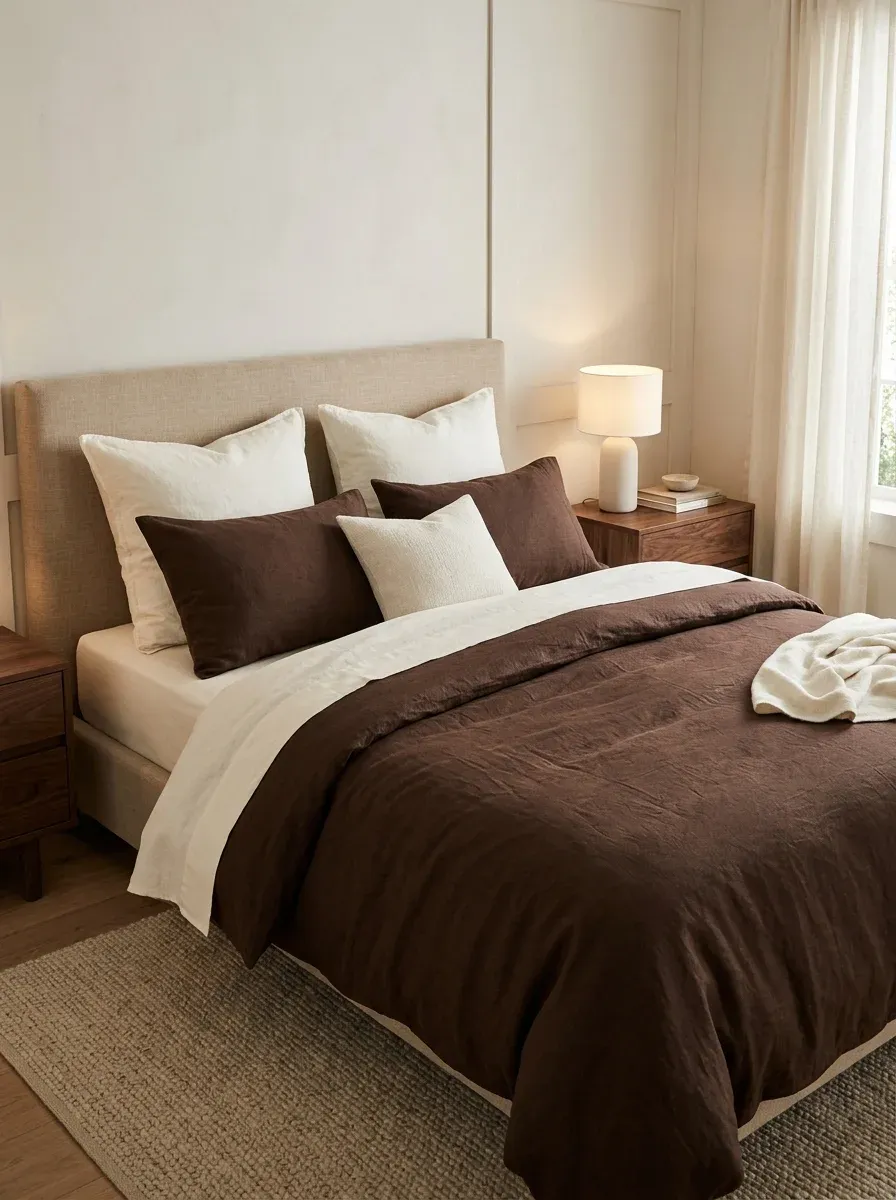
3. Chocolate Brown and Soft Ivory
Chocolate brown adds richness and depth, while ivory keeps the bedroom from feeling too dark. Together, they create a sophisticated bedding combination that feels warm and inviting.
Use ivory sheets as the base, then layer a chocolate brown duvet or quilt over them. Add pillows in both shades, using different fabrics to keep the arrangement from looking flat.
A brown throw placed casually across the foot of the bed can make the whole setup feel more considered. Keep the surrounding decor relatively simple so the bedding remains the main feature.
How to style it:
- Start with ivory or cream sheets.
- Use chocolate brown for the duvet or top quilt.
- Add a mix of ivory and brown pillows.
- Choose matte fabrics and subtle textures rather than shiny finishes.
Best for: Modern, contemporary, warm minimalist, and boutique-inspired bedrooms.
4. Dusty Blue and Crisp White
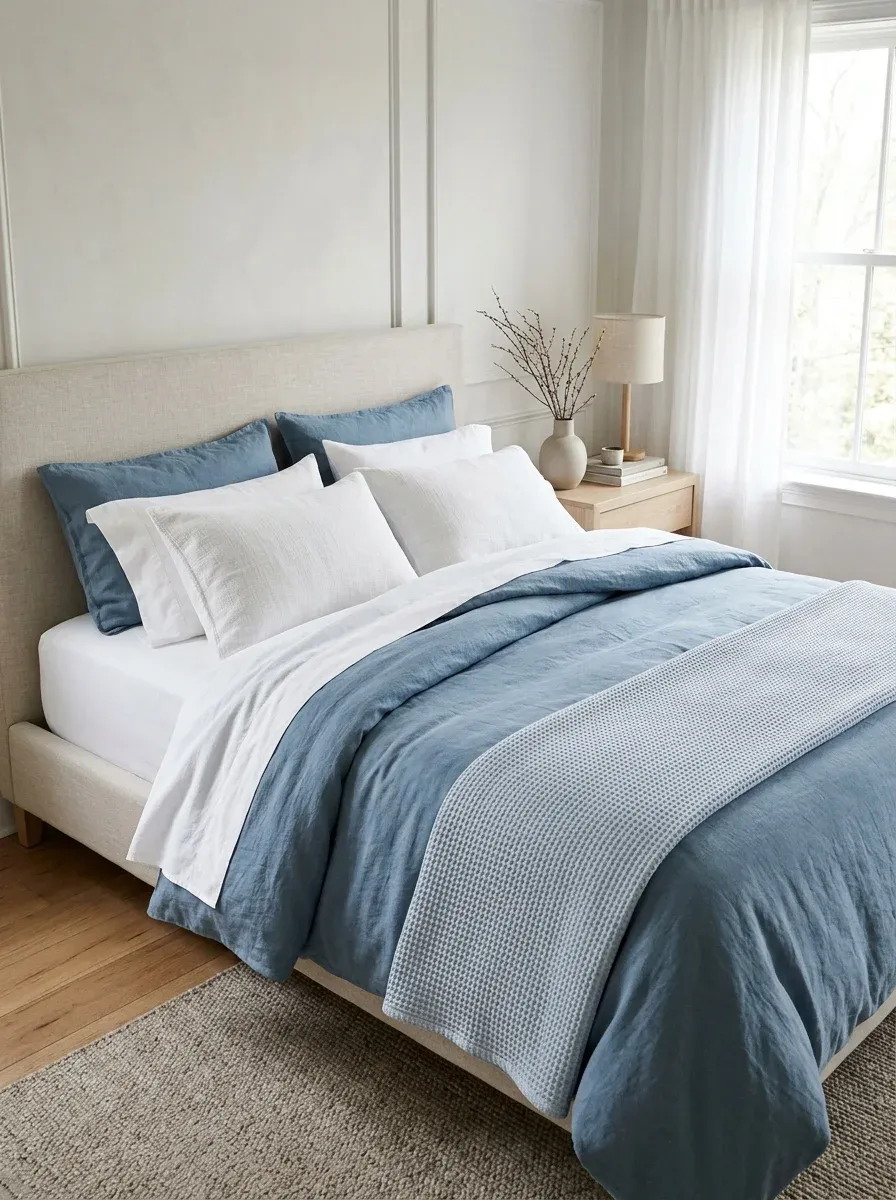
Dusty blue and white create a fresh, airy bedroom palette. The blue adds personality, while white keeps the overall look light.
Choose crisp white sheets and a dusty blue duvet cover. Layer a lighter blue blanket at the foot of the bed and add white pillows with a subtle woven or quilted finish.
For a more relaxed appearance, choose a slightly faded blue rather than a strong saturated shade. This gives the bedding a softer, more lived-in quality.
How to style it:
- Keep the sheets bright white.
- Choose dusty blue for the main duvet or quilt.
- Add a pale blue blanket for tonal layering.
- Use simple white pillowcases to balance the color.
Best for: Coastal, traditional, transitional, and light contemporary bedrooms.
5. Terracotta and Warm Cream
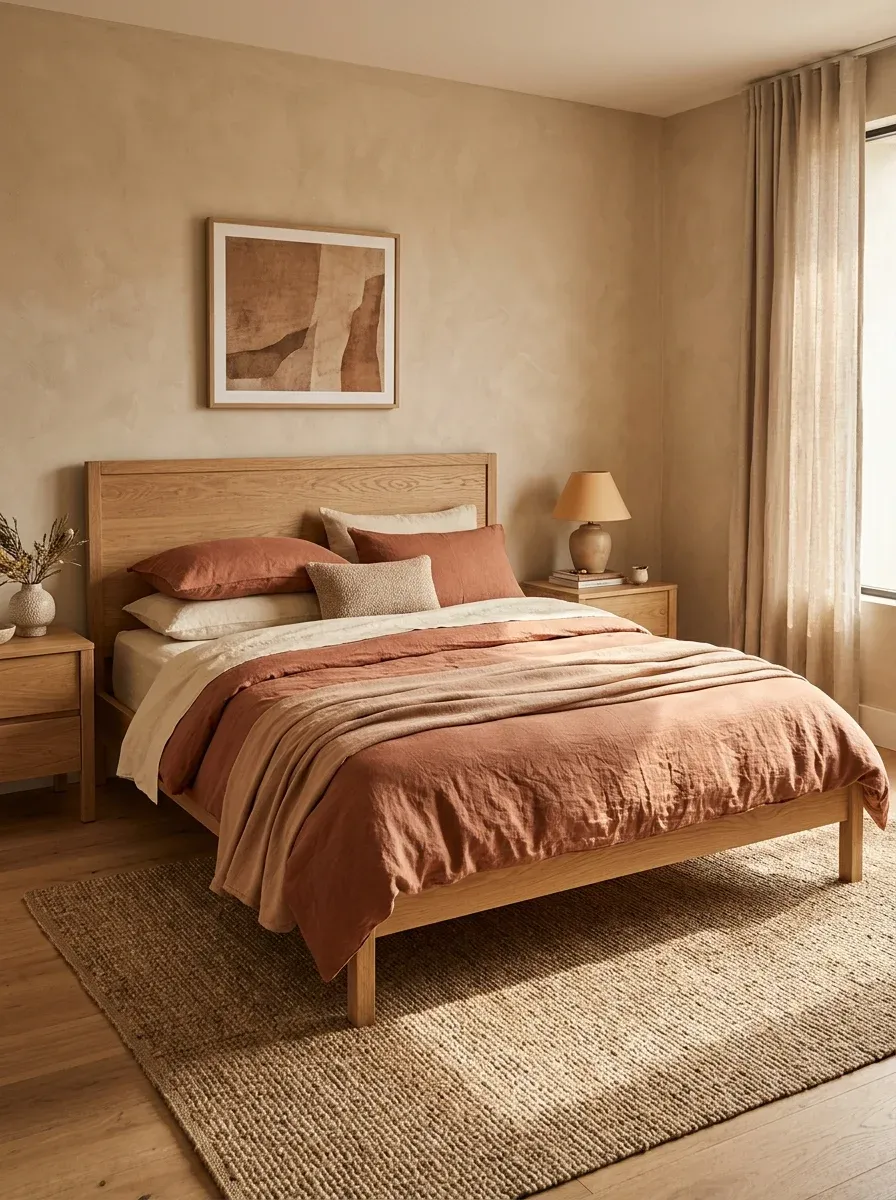
Terracotta introduces an earthy warmth that can make a bedroom feel cozy and distinctive. When balanced with warm cream, it creates a rich but approachable combination.
Use cream sheets and a terracotta duvet cover or quilt. Add a smaller blanket in a lighter clay shade, or use rust-colored cushions to repeat the main color without making everything match exactly.
This palette works especially well with natural wood, woven baskets, textured rugs, and warm-toned bedside lighting. Pair this with our curated small bedroom storage ideas to keep nightstands and floors clutter-free.
How to style it:
- Use cream as the main neutral foundation.
- Add terracotta through the duvet or quilt.
- Mix in a lighter clay or muted rust accent.
- Keep patterns minimal so the colors have room to stand out.
Best for: Mediterranean, bohemian, earthy modern, and warm eclectic bedrooms.
6. Charcoal Gray and Soft Blush
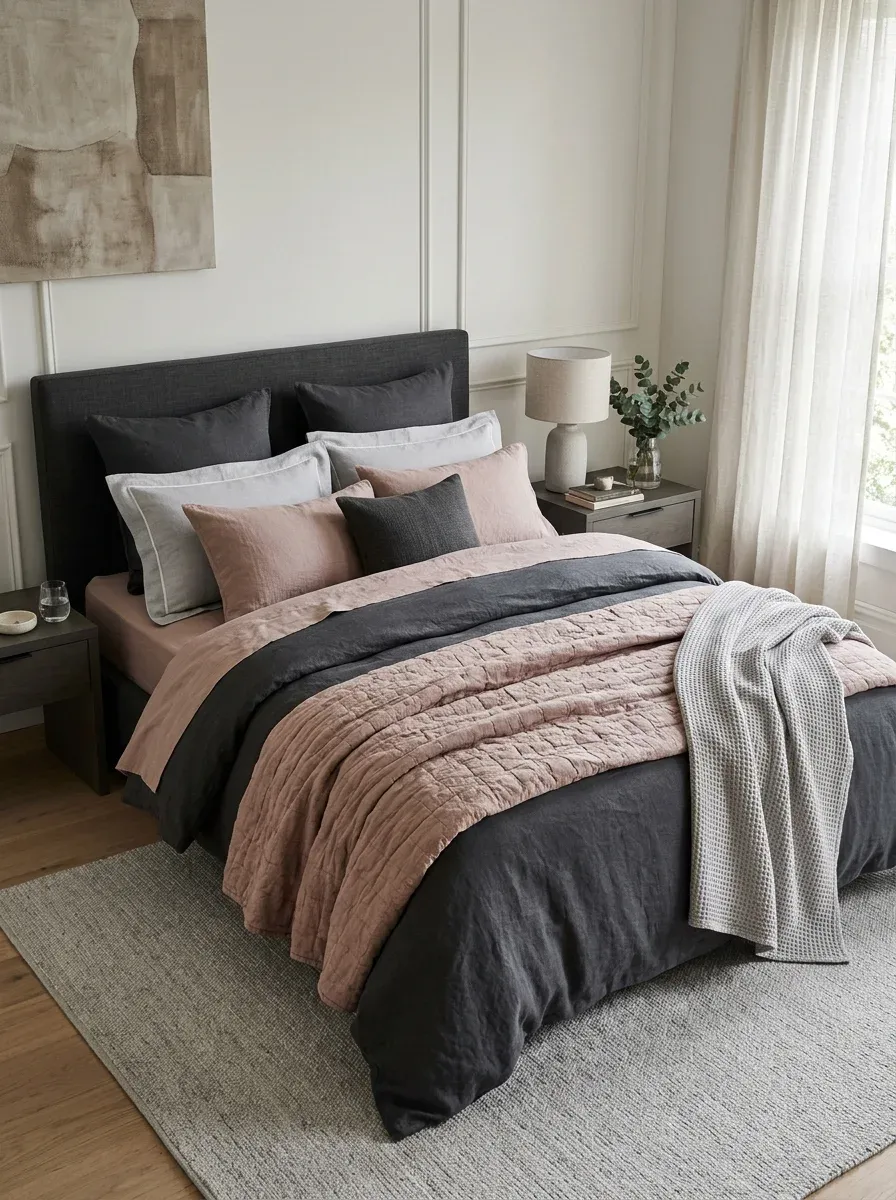
Charcoal gray gives a bedroom a grounded, contemporary look. Soft blush adds warmth and prevents the darker shade from feeling too severe. If you appreciate moody bedroom accents, see our black bedroom decor ideas.
Use pale blush or soft pink sheets with a charcoal duvet, or reverse the arrangement with gray sheets and a blush quilt. Add pillows in both shades to connect the two colors.
The combination works best when the blush is muted rather than overly bright. A dusty rose or pale powder pink will feel more refined.
How to style it:
- Choose charcoal gray as the deeper anchor color.
- Add blush through sheets, cushions, or a quilt.
- Use white or pale gray as a small balancing accent.
- Mix smooth cotton with a quilted or lightly textured layer.
Best for: Modern, transitional, feminine contemporary, and urban bedrooms.
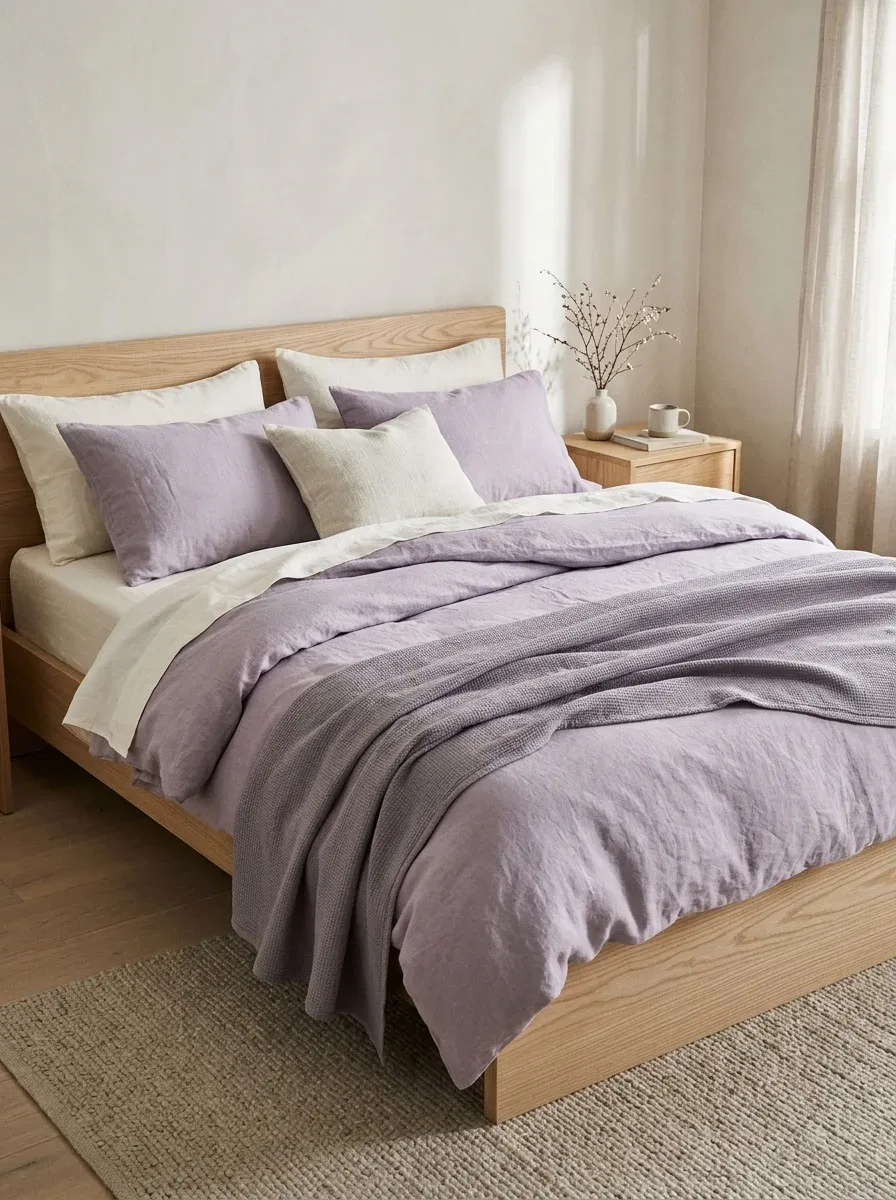
7. Soft Lavender and Warm White
Lavender can bring a gentle, restful quality to a bedroom. Paired with warm white, it feels delicate without becoming overly decorative.
Start with warm white sheets and layer a soft lavender duvet or quilt over them. Add two or three pillows in coordinating shades, perhaps mixing pale lilac with a slightly deeper muted lavender.
Keep the surrounding room simple. Light wood, neutral curtains, and understated bedside accessories allow the color combination to feel calm rather than overly themed. Consult our guide to minimalist bedroom furniture for complementary pieces.
How to style it:
- Use warm white as the foundation.
- Choose a muted lavender rather than a vivid purple.
- Add a second lavender tone through cushions or a blanket.
- Keep patterns subtle and limited.
Best for: Romantic, cottage-inspired, soft modern, and light feminine bedrooms.
8. Olive Green and Natural Linen
Olive green and natural linen create an earthy combination with a little more depth than a traditional neutral palette.
Choose natural linen sheets or pillowcases and layer an olive green duvet or quilt on top. Add a textured beige throw and a few pillows in complementary shades of taupe or muted green.
The combination looks particularly good when the fabrics have visible texture. Linen, washed cotton, and lightweight woven blankets help the bed feel relaxed rather than overly arranged.
How to style it:
- Use natural linen or beige as the base.
- Add olive green through the main bedding layer.
- Introduce taupe or oatmeal accents.
- Choose relaxed fabrics with a soft, natural finish.
Best for: Organic modern, rustic contemporary, nature-inspired, and understated bedrooms.
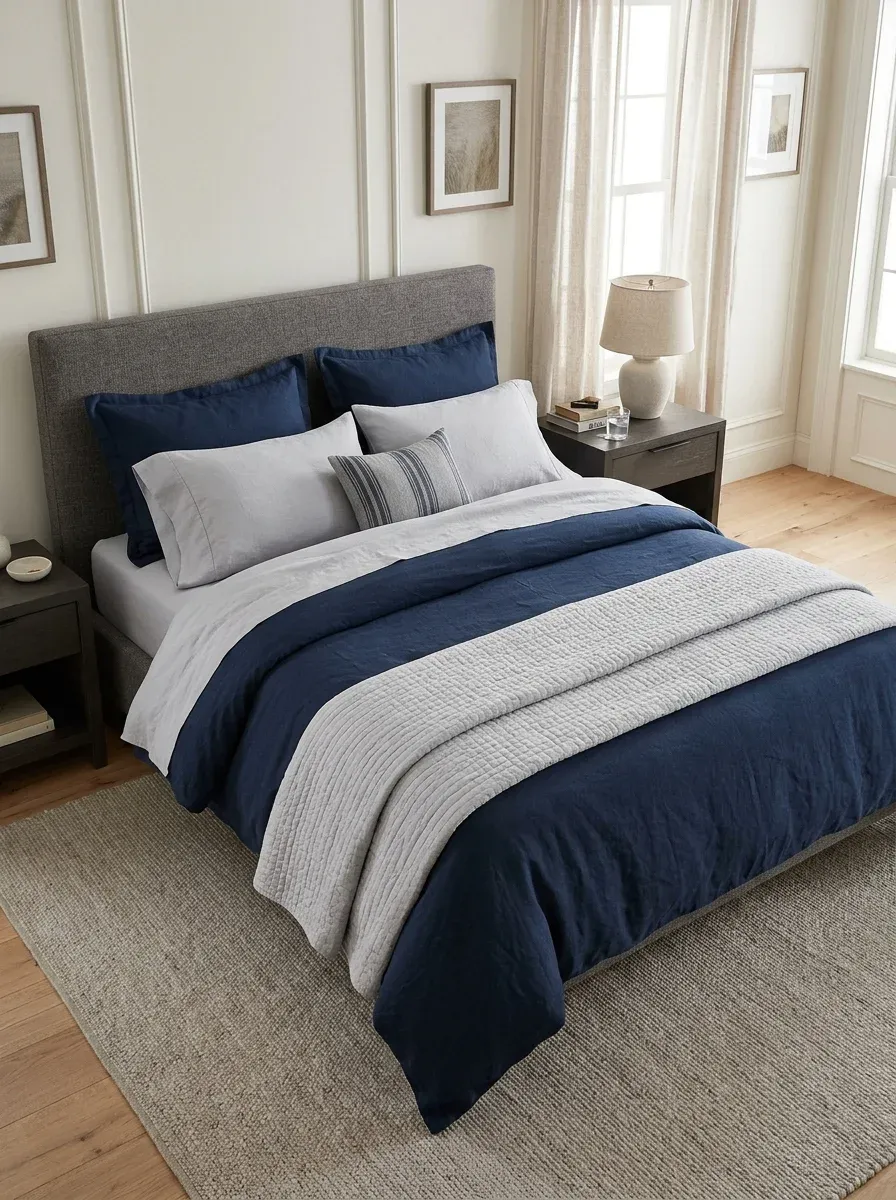
9. Classic Navy and Soft Gray
Navy and soft gray create a balanced combination that feels polished and timeless. The darker blue gives the bed definition, while gray keeps the palette from feeling too formal.
Use soft gray sheets and a navy duvet cover. Add a lighter gray quilt folded across the foot of the bed, then finish with a combination of navy and gray pillows.
For extra depth, include one pillow with a subtle stripe or small-scale pattern. Keep the rest of the bedding relatively simple to avoid visual clutter.
How to style it:
- Choose soft gray sheets as the base.
- Use navy for the main duvet or coverlet.
- Add a pale gray blanket for contrast.
- Mix solid pillows with one restrained pattern.
Best for: Classic, transitional, modern, and tailored bedroom styles.
How to Combine Bedding Colors Without Making the Bed Look Busy
A successful bedding combination usually has a clear color structure. Instead of introducing several unrelated shades, choose one main color, one supporting color, and a neutral that connects them.
A simple approach is the three-color rule:
- Main color: The most noticeable shade, usually on the duvet or quilt.
- Supporting color: A second shade used for sheets, pillows, or a blanket.
- Neutral: A quiet color such as ivory, beige, gray, or natural linen that balances the combination.
You can also create interest through texture. A smooth cotton duvet, linen pillowcases, and a knitted throw can look layered even when they share almost the same color.
How to Layer Bedding for a More Finished Look
The order of the layers matters. A well-styled bed should look comfortable and practical, not like every available blanket has been placed on top of it:
- Begin with fitted sheets: Make sure the base is smooth and properly fitted.
- Add your flat sheet: Fold the top edge back neatly if you want a more layered appearance.
- Place the duvet or comforter: This should be the main visual layer.
- Add a quilt or coverlet: Fold it across the lower part of the bed.
- Arrange sleeping pillows: Place these against the headboard.
- Add decorative pillows: Use a small number of complementary sizes and colors.
- Finish with a throw: Drape it loosely across the foot or one corner of the bed.
You do not need every layer for every bedroom. In a warm climate, a lighter duvet and one decorative quilt may be more practical than several heavy blankets.
Common Bedding Styling Mistakes to Avoid
- Using too many colors: Too many unrelated shades can make the bed look disorganized. Keep the palette focused.
- Choosing identical textures: When every layer has the same finish, the arrangement can look flat. Introduce a few different fabric textures.
- Adding too many pillows: Decorative pillows should enhance the bed, not make it difficult to use. Choose a manageable number.
- Ignoring the room’s existing colors: Bedding should work with the headboard, curtains, rug, and wall color. Consider those elements before choosing a new palette.
- Making every layer perfectly match: Bedding can coordinate without being identical. Slight variations in tone often make the result feel more natural.
- Choosing appearance over comfort: Beautiful bedding should still feel comfortable to sleep in. Consider fabric, weight, breathability, and the climate where you live.
Frequently Asked Questions
What are the best bedding color combinations?
Warm white and beige, sage green and cream, chocolate brown and ivory, and dusty blue and white are versatile combinations. The best choice depends on your room’s existing colors and the atmosphere you want to create.
How many colors should you use when styling a bed?
Three colors are a useful starting point: one main color, one supporting shade, and one neutral. You can use different tones of those colors to add depth without making the bed look crowded.
How do you make bedding look layered?
Start with fitted sheets, add a duvet, fold a quilt across the lower part of the bed, and finish with a few coordinated pillows and a throw. Combining different fabric textures also helps create a layered appearance.
Can you mix different bedding patterns?
Yes. Keep the patterns within a similar color palette and vary their scale. For example, a subtle stripe can work alongside a small botanical print if both share complementary colors.
How can you make neutral bedding look interesting?
Use a mixture of textures and slightly different neutral shades. Linen, cotton, knitted throws, quilted covers, and textured cushions can add depth without introducing strong colors.
Final Thoughts
The right bedding combination can make a bedroom feel more complete without changing the furniture or decorating the entire room. Start with a palette that suits your space, add a few contrasting textures, and build the layers gradually.
Whether you prefer warm neutrals, earthy greens, soft pastels, or deeper colors, these bedding combos offer a starting point for creating a bed that feels comfortable and thoughtfully styled.
The best arrangement is one that looks beautiful while still working for your everyday routine.
Looking for more ideas? Browse our living room & bedroom stories.
Save to Pinterest