In this article
Cheap decor has a bad reputation, and most of it is earned by things that were cheap in every sense. But a room can be furnished for a fraction of retail prices and still look good, as long as you know where to look and what to check before you pay. The secret is buying the right things secondhand and spending your real money only on the few pieces that take daily wear.
This guide covers the sources that actually work for small apartments, what to buy at each one, what to skip, and the quality checks that keep a bargain from becoming a regret. Prices below are typical ranges, not promises, since secondhand stock changes every week.
Thrift Stores and Charity Shops
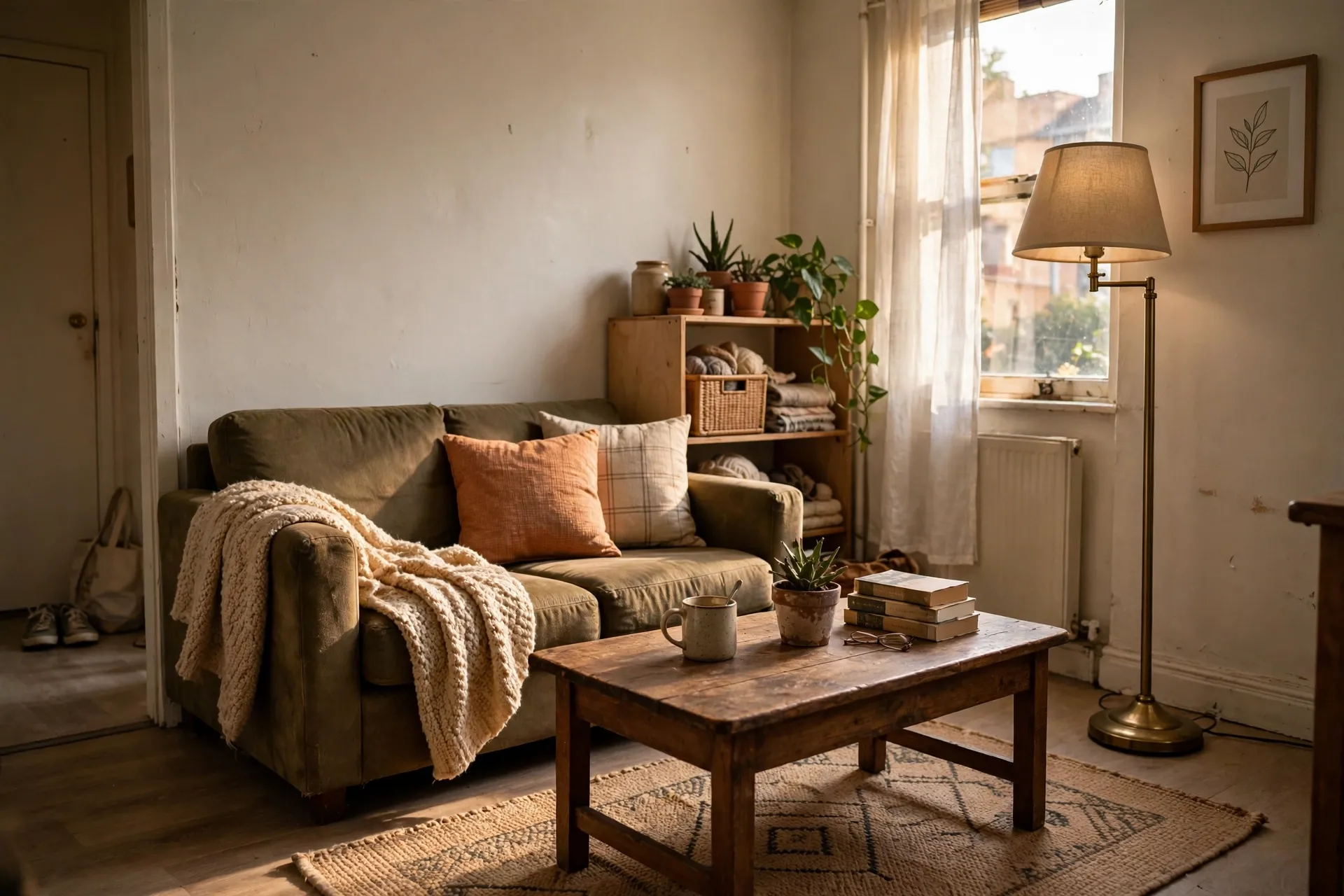
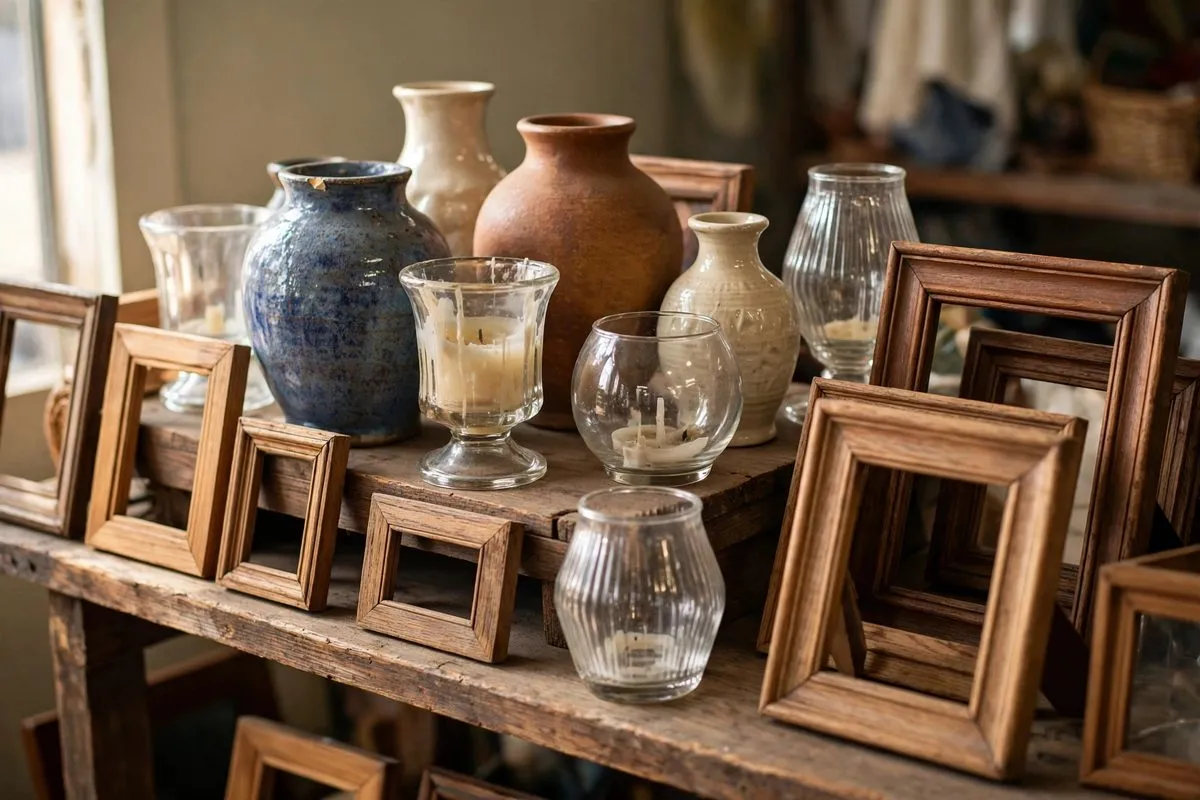
Thrift stores are the best source for the things that make a room look finished: vases, frames, lamps, mirrors, books and small furniture. Hard goods like these usually cost under 10 dollars each, and a solid wood side table often sells for 15 to 30 dollars, a tenth of its retail price. The stock turns over daily, so visit once a week rather than once a season.
Go in with a list of three things you actually need, and measure the space at home before you leave. A beautiful chair that does not fit through the door is not a bargain. Check furniture for wobble by rocking it on the floor, and smell upholstered pieces before you buy, since smoke and pet odors do not wash out easily. Skip anything with a broken frame or a missing leg, unless you know how to fix it.
Dollar Stores and Discount Shops
Dollar stores are good for exactly three things: candles, small storage baskets and seasonal decor. A pillar candle that costs 8 dollars elsewhere sells for 1 to 3 dollars here, and a woven basket for 3 to 5 dollars hides clutter on any shelf. Buy the plain versions, not the ones with printed patterns, since plain looks more expensive.
Skip furniture, mirrors and anything with a mechanism at a dollar store, since the quality is too low to survive daily use. A dollar-store picture frame is fine for a small print, but a large one will bow under its own weight. Treat these shops as a source for consumables and fillers, not for the pieces the room depends on.
Clearance Sections and End-of-Line Sales
The clearance rack at a regular home store is where new decor gets cheap without getting secondhand. Vases, cushions, throws and lamps drop 40 to 70 percent when a color or season changes, and the quality is the same as the full-price stock. Check the clearance section first on every visit, before you look at anything new.
The best time to shop clearance is the week after a holiday, when seasonal items drop hardest, and in January and July, when stores reset their floors. Inspect clearance items closely, since some are returns with damage. A chipped vase is a skip, but a cushion with a missing button is a 2-minute fix. If you are furnishing a whole apartment, our cost to furnish an apartment breaks down what each room should cost at different budgets.
Online Marketplaces
Local buy-and-sell marketplaces are the best source for furniture, since people sell solid pieces for a fraction of retail when they move. A wooden coffee table that costs 200 dollars new often lists for 30 to 50 dollars, and a bookshelf for 20 to 40 dollars. Search with specific terms like “solid wood side table” rather than “table”, and filter to your neighborhood so you can collect it yourself.
Always see furniture in person before paying. Sit on chairs, open drawers, and check the underside for water damage and woodworm holes. Bring a tape measure and a friend, since a seller will not help you carry a sofa down three flights of stairs. Pay in person, never in advance, and skip any listing that will not let you inspect the item first.
DIY Upgrades That Cost Almost Nothing
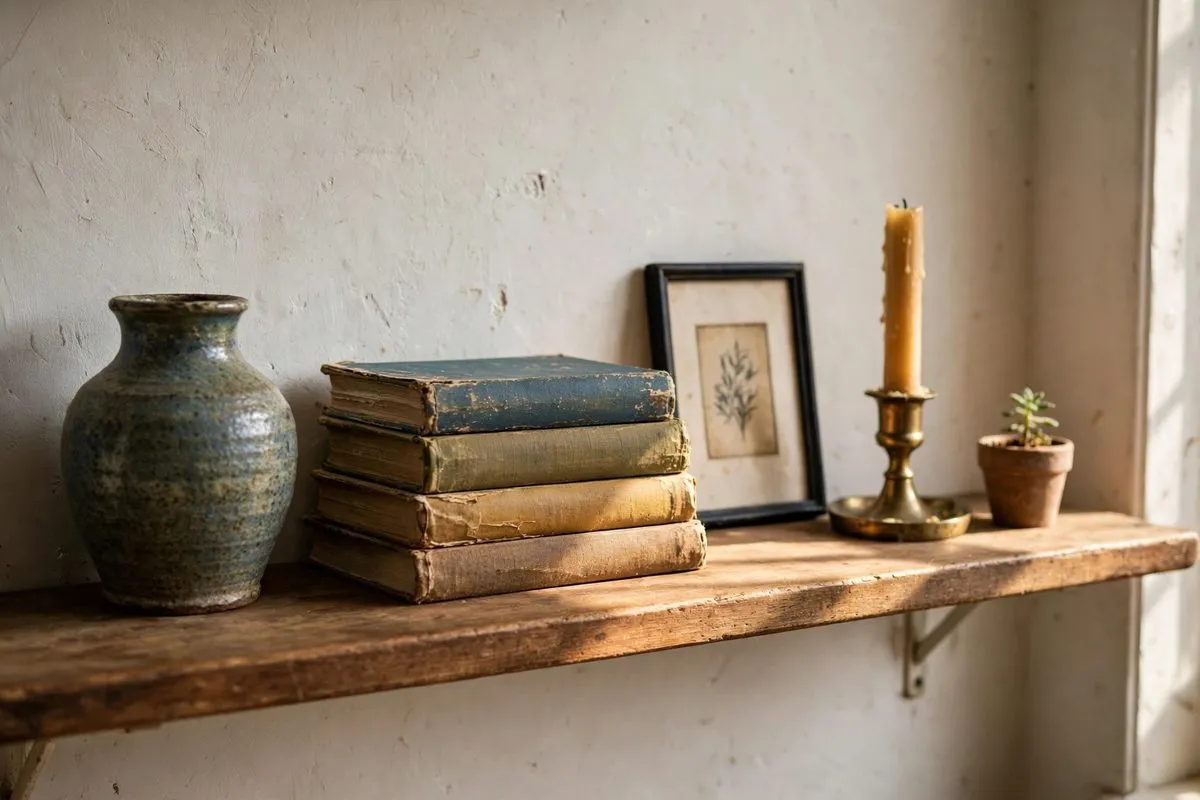
A can of paint transforms almost any secondhand find. A wooden chair painted in a soft sage or cream looks new for the price of a 10-dollar sample pot, and a plain ceramic vase painted with a leaf pattern becomes a feature piece for under 5 dollars. Sand the surface lightly first, and use two thin coats instead of one thick one.
Other cheap upgrades include swapping the knobs on a thrifted dresser, 1 to 3 dollars each, and re-covering cushion inserts with fabric from a remnant bin. The rule is to upgrade one thing per piece, not five, since over-decorated thrift finds look like craft projects. If you are starting from an empty apartment, our first apartment checklist lists the essentials to buy first, so the upgrades come after the basics are covered.
What to Buy Secondhand and What to Skip
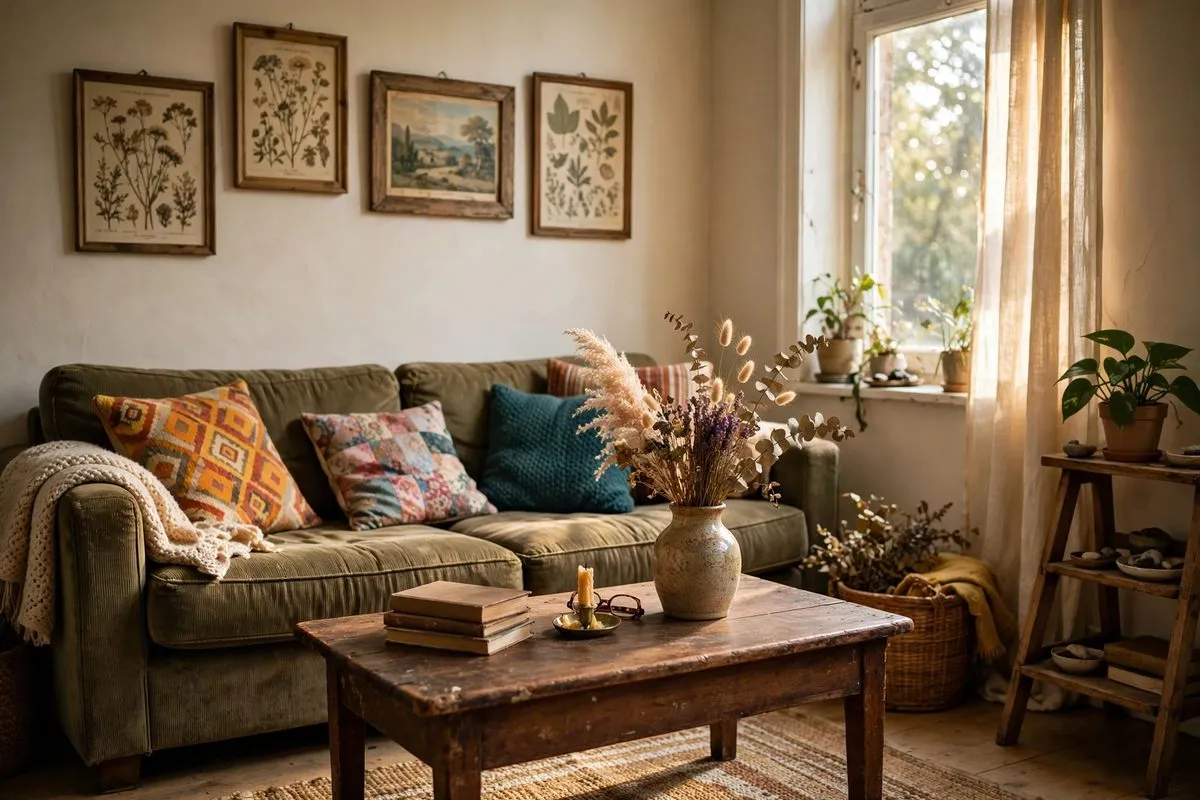
Buy secondhand: solid wood furniture, mirrors, frames, vases, lamps with simple wiring, books, baskets and ceramics. These are hard to break, easy to clean and hard to get wrong. A solid wood table from the 1980s will outlast a new flat-pack one, and a brass lamp from a thrift store rewires for a few dollars.
Skip secondhand: mattresses, pillows, upholstered furniture with stains or smells, anything with a battery or a motor you cannot test, and cheap electronics. Mattresses and soft furnishings can carry bed bugs and allergens, and a broken motor costs more to repair than the item is worth. Buy those new, and spend the money you saved on the secondhand pieces.

Quality Checks Before You Pay
Run the same five checks on every secondhand buy. First, rock furniture on a flat floor to test for wobble, and open every drawer. Second, smell upholstery and wood, since smoke and damp are hard to remove. Third, hold ceramics and glass up to the light to find hairline cracks. Fourth, plug in lamps and test every switch. Fifth, check the measurements against the space at home, including the door and the stairwell it must pass through.
For new clearance items, check for missing parts, since floor models often lose a shelf or a screw. Ask the store if the missing part is available, and skip the item if it is not. A bargain that needs a part you cannot buy is not a bargain.
A Starter Budget for One Room
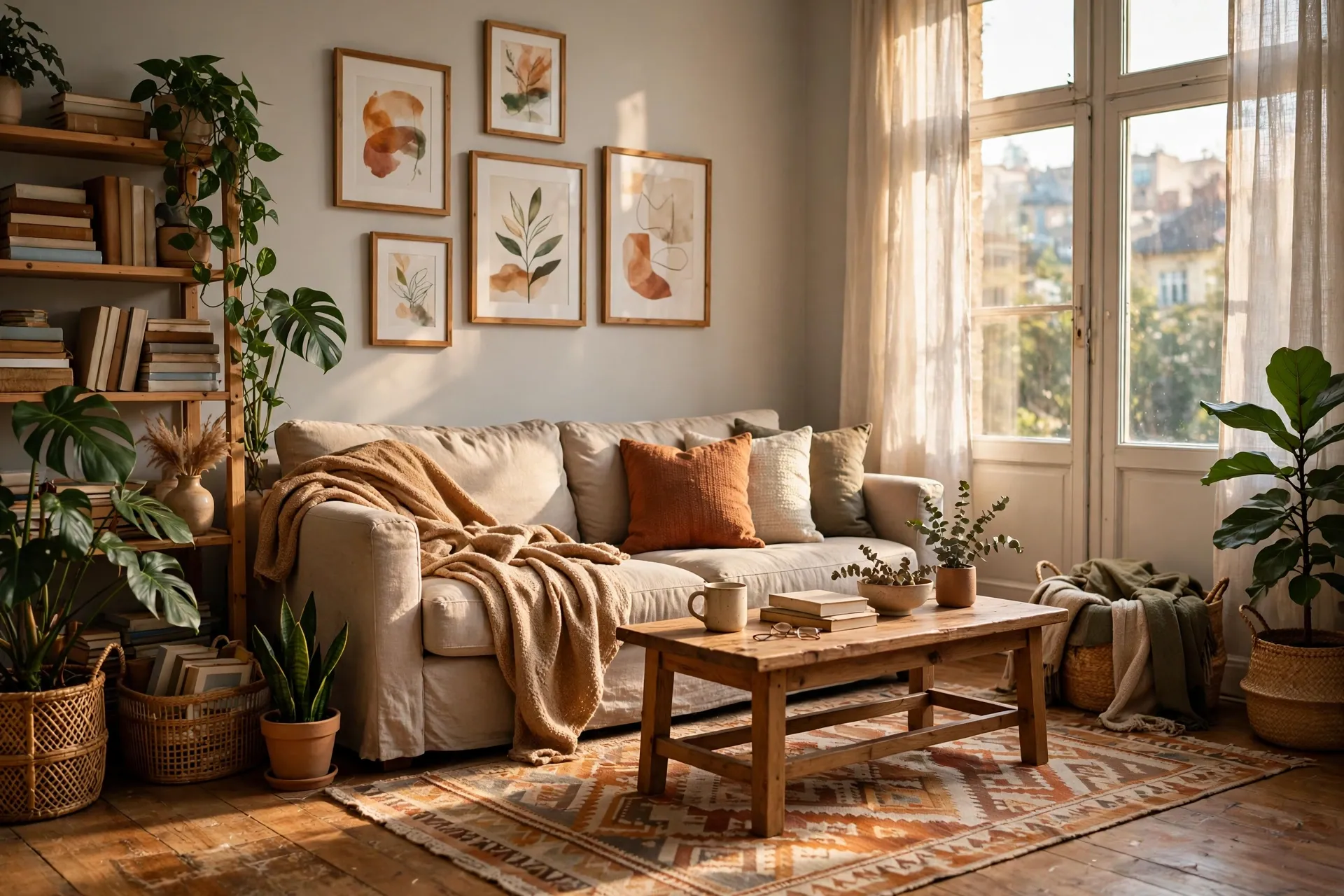
A living room can be furnished well for 150 to 300 dollars using these sources. Plan roughly 50 to 100 dollars for a secondhand sofa or a good armchair, 20 to 40 dollars for a coffee table, 30 to 50 dollars for lighting, and the rest for vases, frames, cushions and a throw. Buy the big pieces first, live with the room for two weeks, and then buy the small decor, since the room tells you what it needs once the furniture is in place.
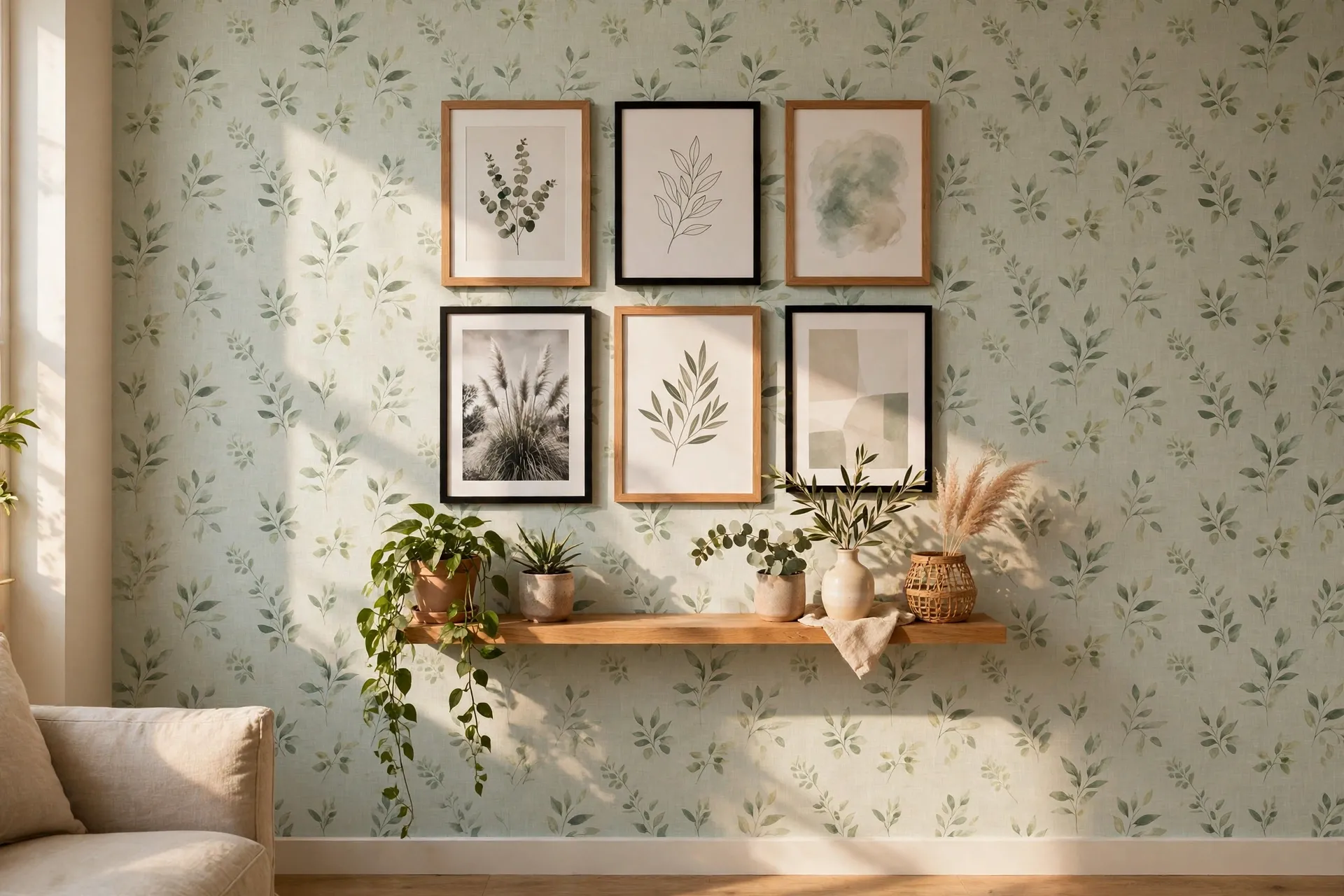
The biggest mistake is buying everything in one weekend. A room furnished slowly, one good find at a time, looks collected and personal. A room furnished in a single shopping trip looks like a showroom. If you rent and cannot drill, our renter-friendly apartment wall ideas show how to hang everything in this guide without losing your deposit.
Looking for more ideas? Browse our small space living stories.
Save to Pinterest