In this article
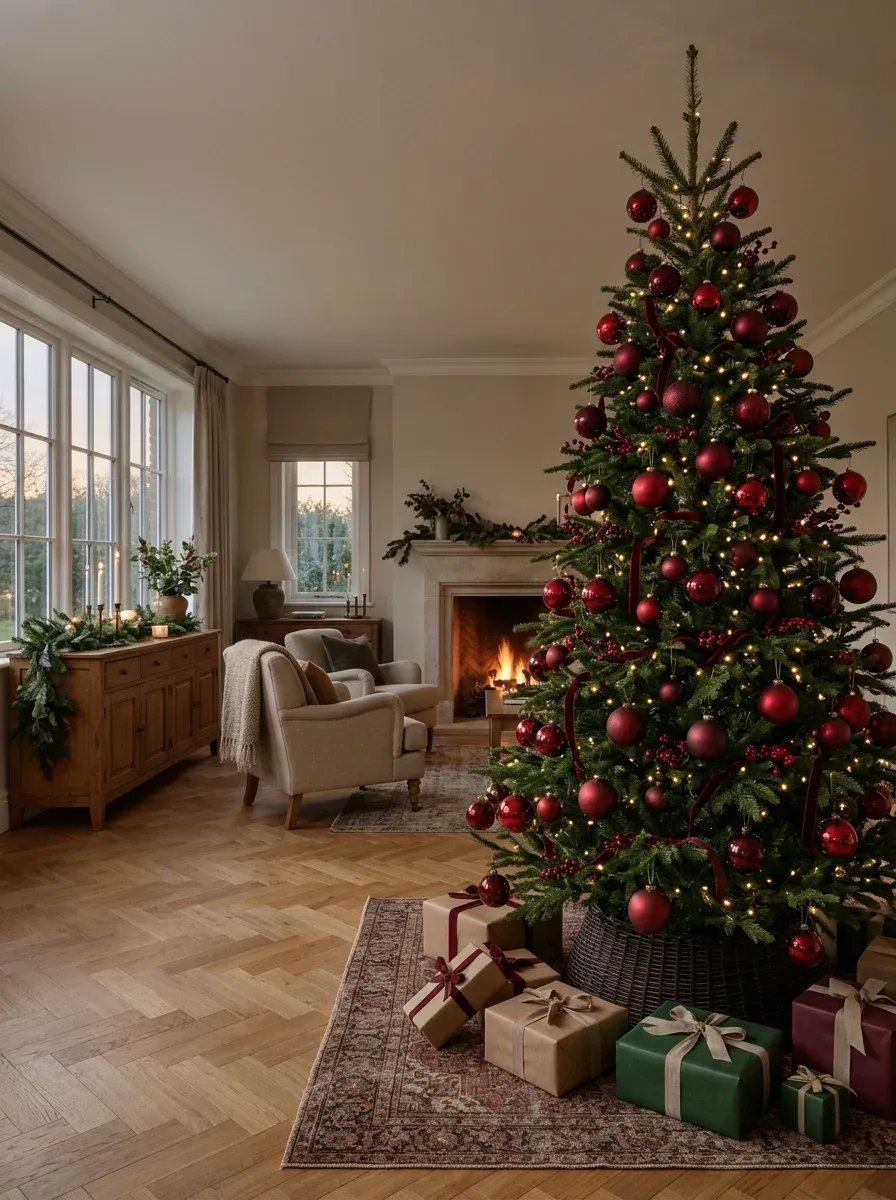
- 1. Create a Classic Deep Red Ornament Christmas Tree
- 2. Layer Burgundy and Crimson for a Rich Tonal Christmas Tree
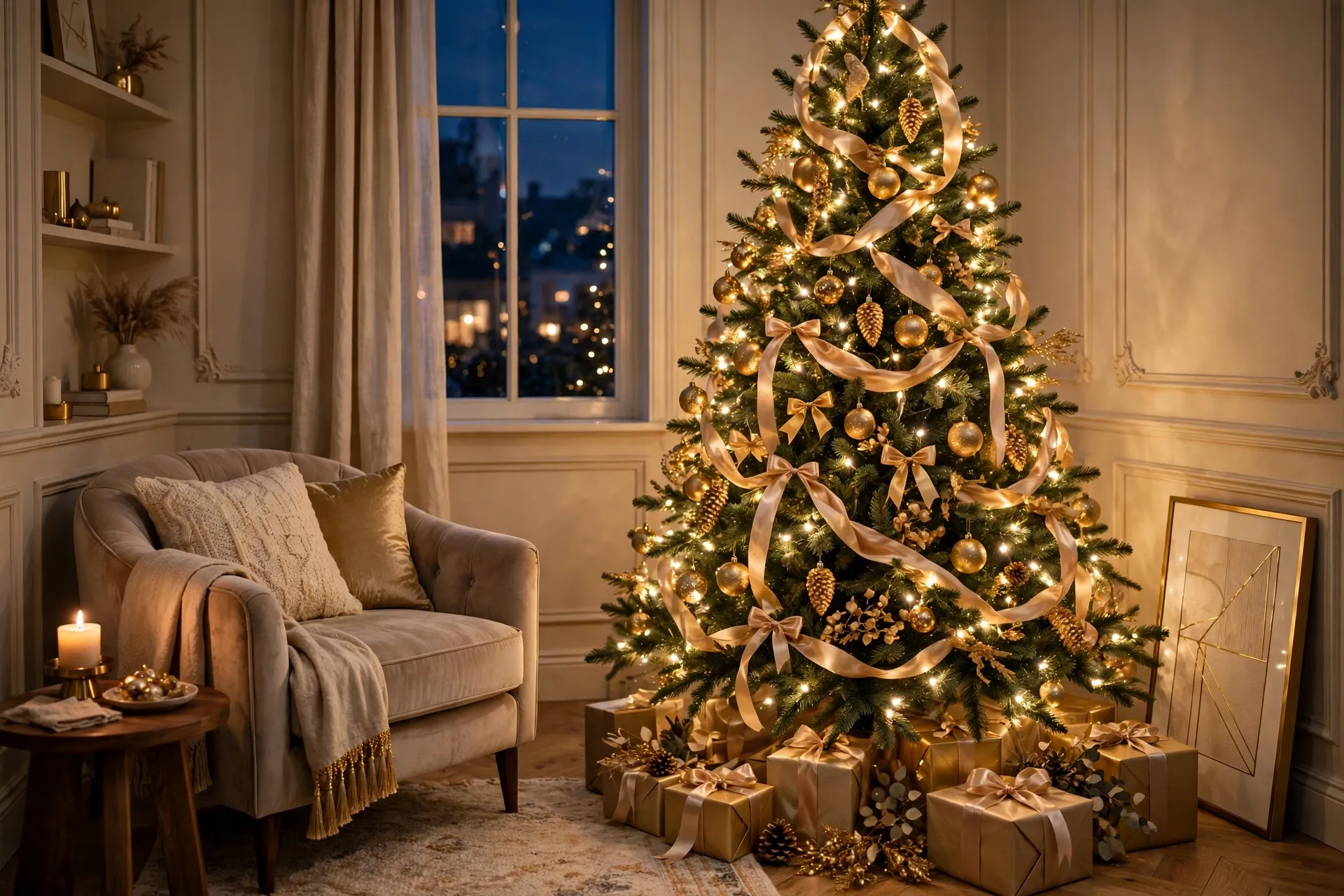
- 3. Add Antique-Gold Accents to a Red Christmas Tree
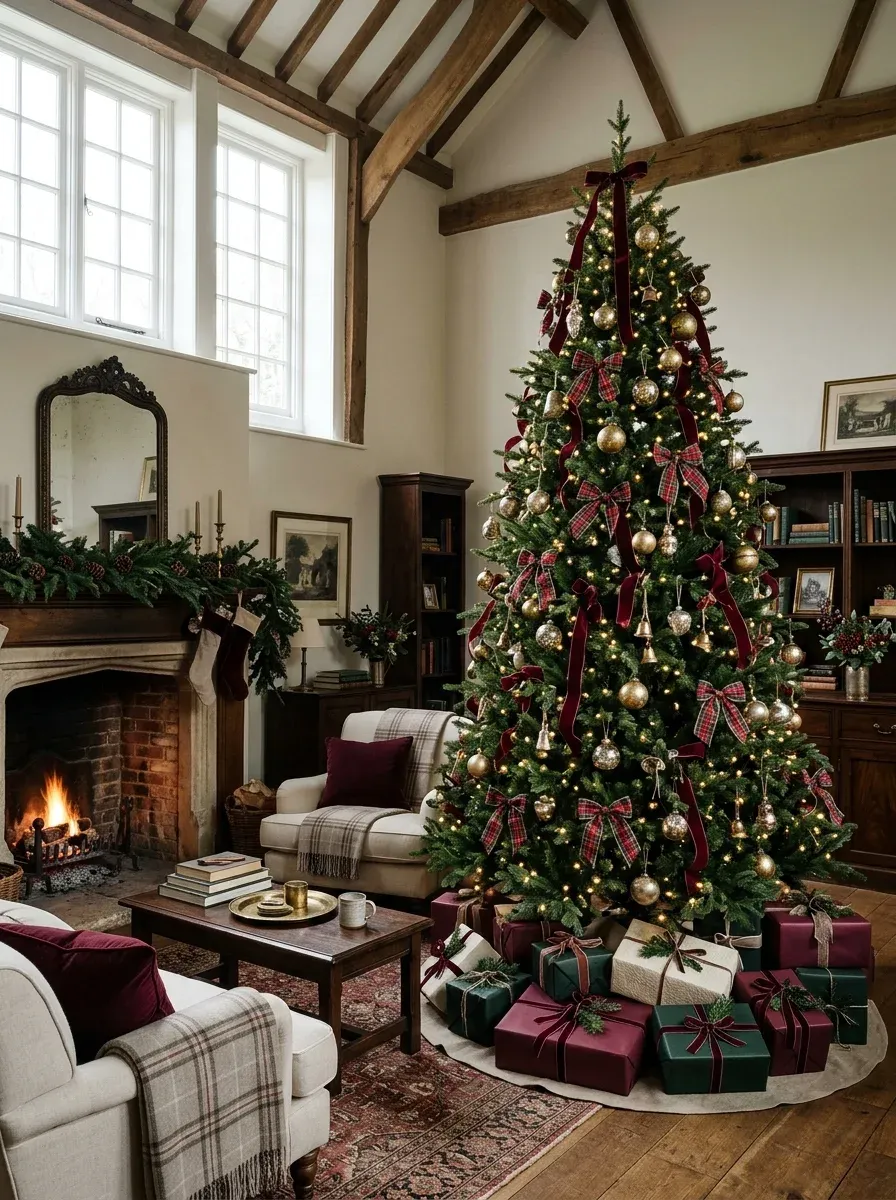
- 4. Make Velvet Ribbons the Main Feature of Your Red Christmas Tree
- 5. Use Glossy Red Baubles for a Beautifully Reflective Tree
- 6. Mix Matte Red Ornaments with Textured Decorations
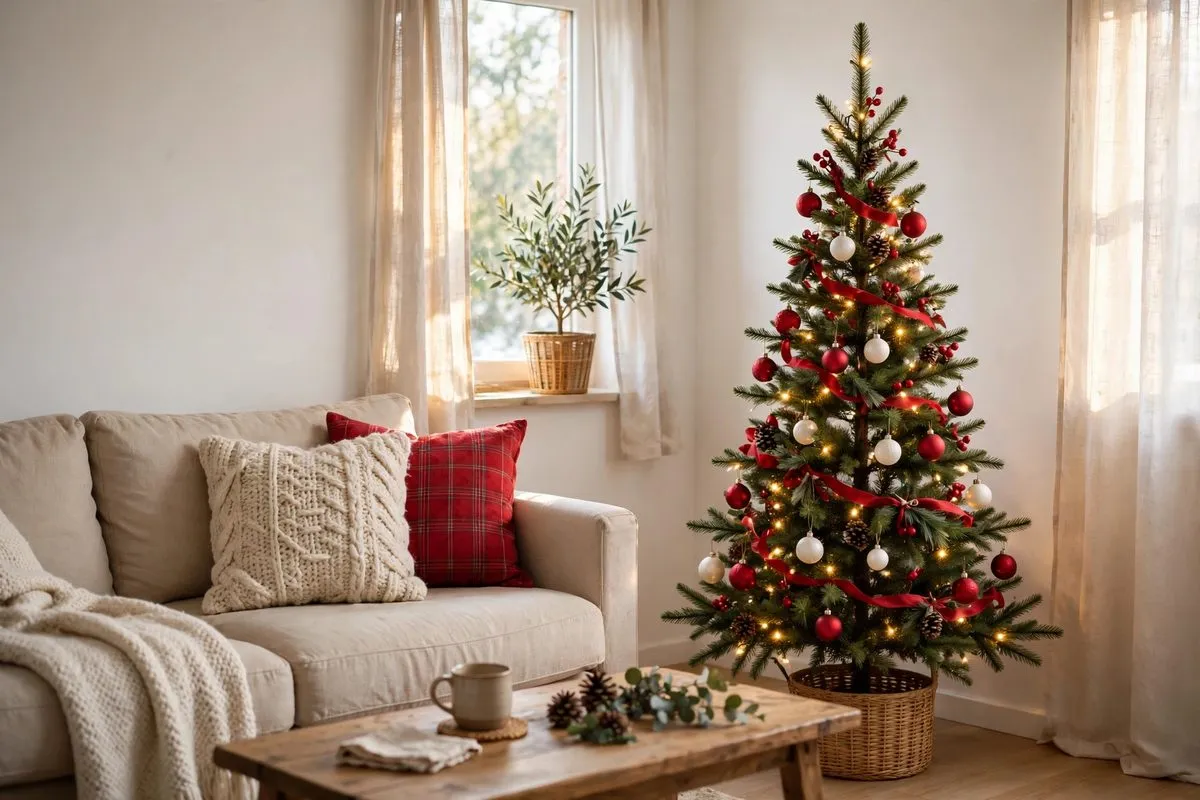
- 7. Bring Natural Warmth to a Red Tree with Berries and Greenery
- 8. Keep It Modern with a Minimalist Red Christmas Tree
- 9. Create a Dramatic Statement Tree with Oversized Red Decorations
- How to Choose the Right Red Christmas Tree Color Palette
- How to Decorate a Red Christmas Tree Step by Step
- What Decorations Look Best with a Red Christmas Tree?
- Common Red Christmas Tree Decorating Mistakes to Avoid
- Frequently Asked Questions
- What colors look best with a red Christmas tree?
- How do I make a red Christmas tree look elegant?
- Are burgundy and red good together on a Christmas tree?
- What ribbon looks best on a red Christmas tree?
- How many red ornaments do I need for a Christmas tree?
- How can I decorate a red Christmas tree without making it look too busy?
- Can I decorate a Christmas tree with only red ornaments?
- Final Thoughts
A red Christmas tree makes a bold and beautiful statement during the holiday season. From deep burgundy ornaments to glossy crimson baubles and luxurious velvet ribbons, red brings warmth, richness, and a familiar festive character to Christmas decorating.
The beauty of this color is its versatility. You can create a traditional tree filled with classic red ornaments, choose a sophisticated burgundy palette, or experiment with different finishes to make the decorations feel more contemporary. For a lighter, frosty contrast, compare these with our red and white Christmas tree ideas or explore heritage-inspired Ralph Lauren Christmas tree ideas.
You do not need to decorate every branch to make a red Christmas tree stand out. A carefully selected combination of ornaments, ribbons, textures, and lighting can create a beautifully balanced display.
Whether you prefer a traditional Christmas look or something more dramatic, these nine red Christmas tree ideas offer inspiration for creating a memorable holiday centerpiece.
1. Create a Classic Deep Red Ornament Christmas Tree
A classic red ornament tree is a beautiful choice when you want your Christmas decorations to feel festive, warm, and timeless.
Start with a natural green Christmas tree and decorate it with red ornaments in different sizes. Combine glossy baubles, matte finishes, and a few textured decorations to create depth throughout the branches.
Choose a consistent shade of deep red or crimson so the ornaments feel coordinated. You can also introduce subtle variations in their finishes without changing the main color direction.
Warm-white lights work particularly well with deep red ornaments because they create a welcoming glow and bring out the richness of the decorations.
How to style it:
- Choose a deep red or crimson ornament palette.
- Mix large and small baubles to create visual depth.
- Combine glossy and matte finishes.
- Distribute ornaments evenly throughout the tree.
- Use warm-white lighting for a soft traditional appearance.
Best for: Traditional, classic, farmhouse, and warmly decorated Christmas interiors.
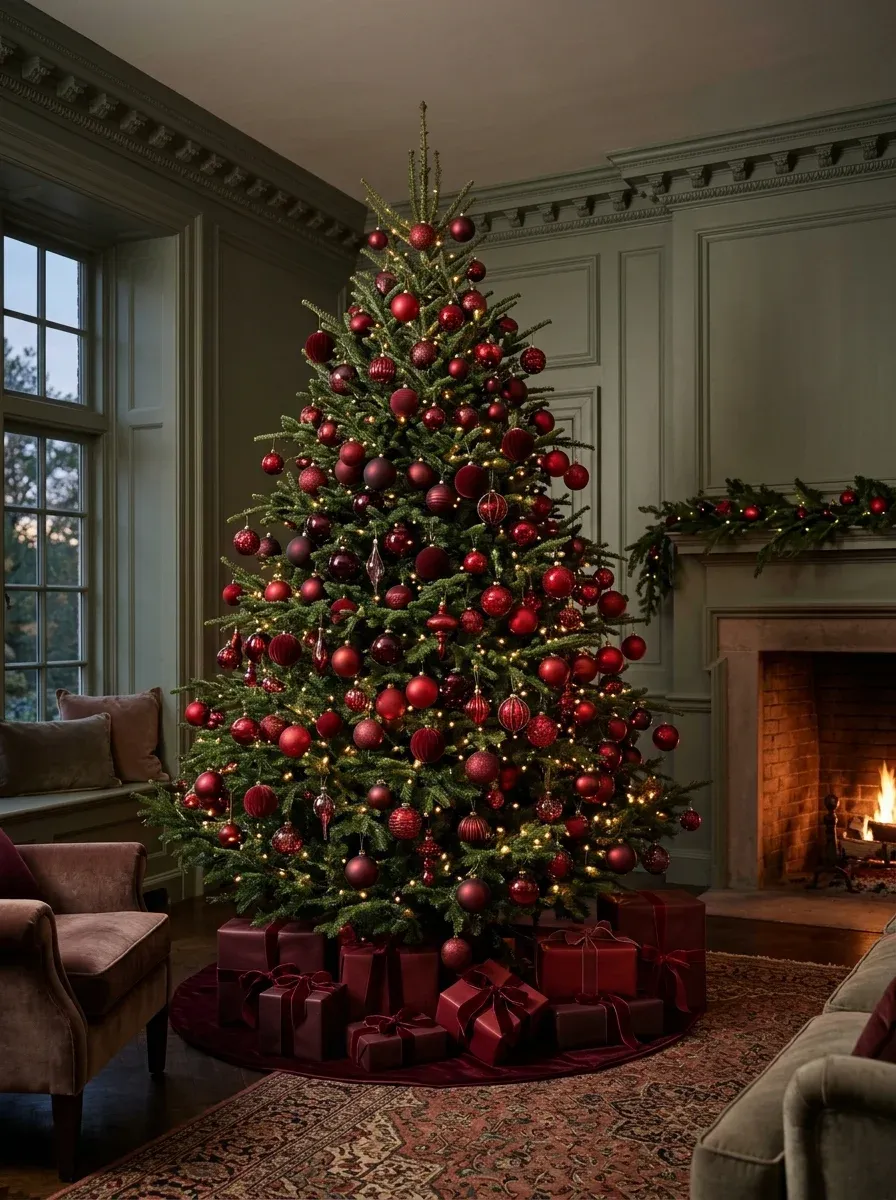
2. Layer Burgundy and Crimson for a Rich Tonal Christmas Tree
Using different shades of red creates a layered appearance that feels more sophisticated than decorating the entire tree with one identical ornament color.
Begin with deep burgundy decorations toward the inner branches, then introduce crimson, wine red, and softer cherry-red ornaments throughout the outer sections.
The subtle difference between the shades creates depth without making the tree feel visually crowded. You can also use a few darker velvet ornaments to add a soft, rich texture.
Keep the rest of the decorations relatively restrained so the variation in red tones remains the main feature.
How to style it:
- Combine burgundy, wine, and crimson ornaments.
- Use darker shades deeper inside the branches.
- Place lighter red ornaments toward the outer tips.
- Mix a few matte and velvet finishes.
- Choose warm lighting to emphasize the different red tones.
Best for: Elegant, traditional, moody, and richly layered Christmas interiors.
3. Add Antique-Gold Accents to a Red Christmas Tree
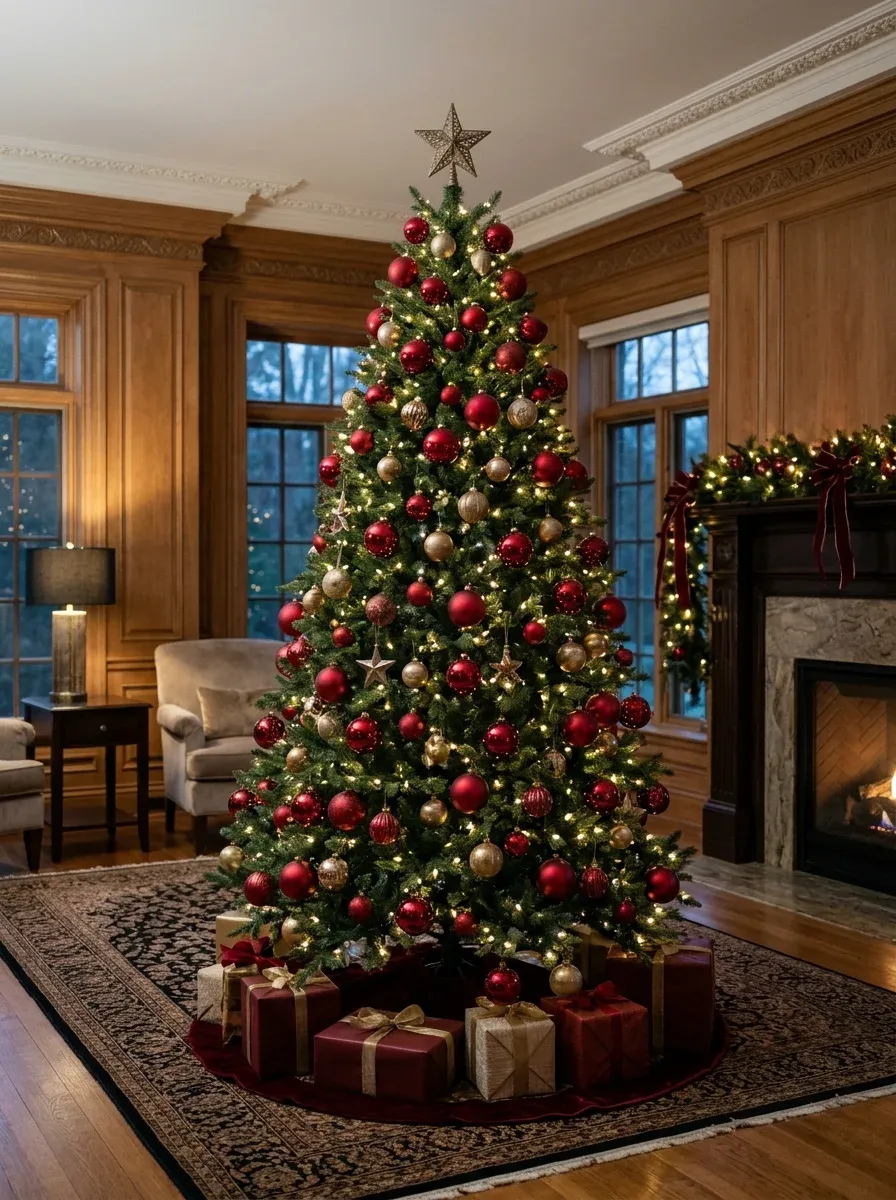
Gold details can give a red Christmas tree a more refined and decorative appearance. Rather than making gold the main color, use it to highlight the richness of the red ornaments.
Start with deep red baubles as the dominant decoration. Add antique-gold ornaments, delicate metallic details, and a small selection of gold stars or decorative shapes.
Brushed or aged gold often creates a softer appearance than highly reflective metallic finishes. It works especially well with burgundy and darker shades of red.
You can finish the tree with warm-white lights to create a gentle glow across the metallic decorations.
How to style it:
- Use red ornaments as the main feature.
- Add antique-gold decorations in selected areas.
- Mix matte red baubles with softly reflective gold pieces.
- Repeat the gold finish a few times throughout the branches.
- Keep the topper consistent with the overall palette.
Best for: Elegant, classic, traditional, and luxurious Christmas decorating styles.
4. Make Velvet Ribbons the Main Feature of Your Red Christmas Tree
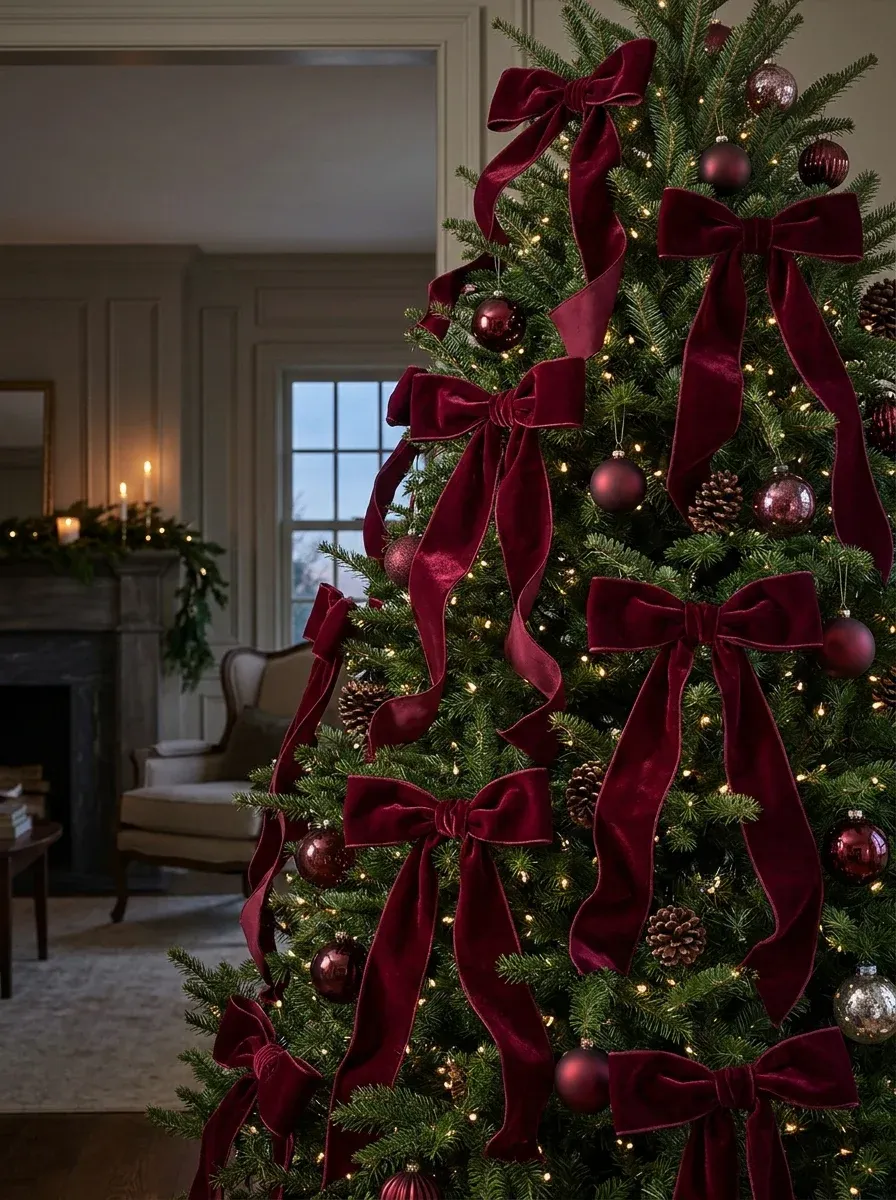
Velvet ribbon adds softness and movement to a Christmas tree. When used in a rich red shade, it can become the most noticeable feature without requiring a large collection of ornaments.
Choose burgundy, wine-red, or crimson velvet ribbon with enough width to stand out against the green branches. You can create oversized bows, long cascading ribbon sections, or smaller loops arranged throughout the tree.
For a more natural look, allow selected ribbon tails to fall gently between the branches rather than arranging every section identically.
Keep the ornaments relatively simple so the velvet texture has room to stand out.
How to style it:
- Choose a velvet ribbon in a deep red shade.
- Create bows of different sizes.
- Arrange longer ribbon sections naturally through the branches.
- Use a few matching red ornaments for continuity.
- Avoid overcrowding the tree with too many decorative styles.
Best for: Romantic, traditional, glamorous, and heritage-inspired Christmas interiors.
5. Use Glossy Red Baubles for a Beautifully Reflective Tree
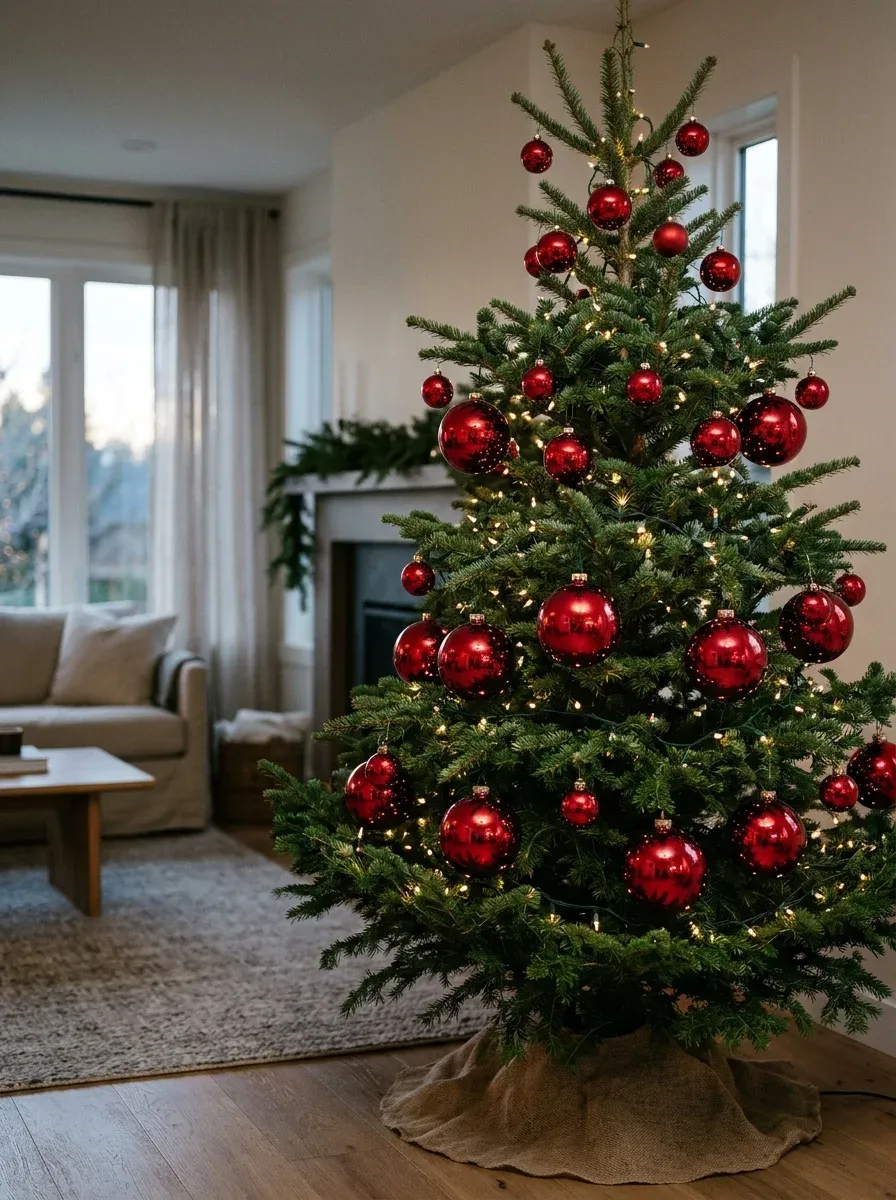
If you prefer a striking Christmas tree, glossy red baubles can create a beautiful visual effect. Their reflective surfaces catch the light and make the decorations appear brighter and more noticeable.
Choose baubles in several sizes, from smaller ornaments for the upper branches to larger statement pieces toward the bottom.
You can use a consistent glossy crimson finish or combine a few deeper red shades. The important thing is to distribute the ornaments evenly so the tree does not look unbalanced.
Warm-white lights will reflect softly across the surfaces, creating depth and a festive glow.
How to style it:
- Choose glossy red baubles in different sizes.
- Place larger ornaments toward the lower branches.
- Distribute smaller ornaments throughout the upper sections.
- Repeat the same finish across the tree.
- Use warm lighting to highlight the reflective surfaces.
Best for: Bold traditional, contemporary classic, and festive maximalist interiors.
6. Mix Matte Red Ornaments with Textured Decorations
A tree decorated entirely with smooth ornaments can sometimes look flat. Mixing matte red baubles with textured decorations gives the branches more visual interest.
Start with matte burgundy or crimson ornaments as the base. Then add fabric-covered decorations, ribbed baubles, brushed finishes, and lightly textured shapes.
Keep the colors within the red family so the textures become the main source of variety.
This approach works particularly well when you enjoy a carefully coordinated tree but want something more interesting than a collection of identical ornaments.
How to style it:
- Use matte red ornaments as the foundation.
- Introduce ribbed, fabric-covered, or textured decorations.
- Mix several sizes and shapes.
- Keep the main color direction consistent.
- Leave enough space between special ornaments so their textures remain visible.
Best for: Contemporary, elegant, modern traditional, and layered Christmas interiors.
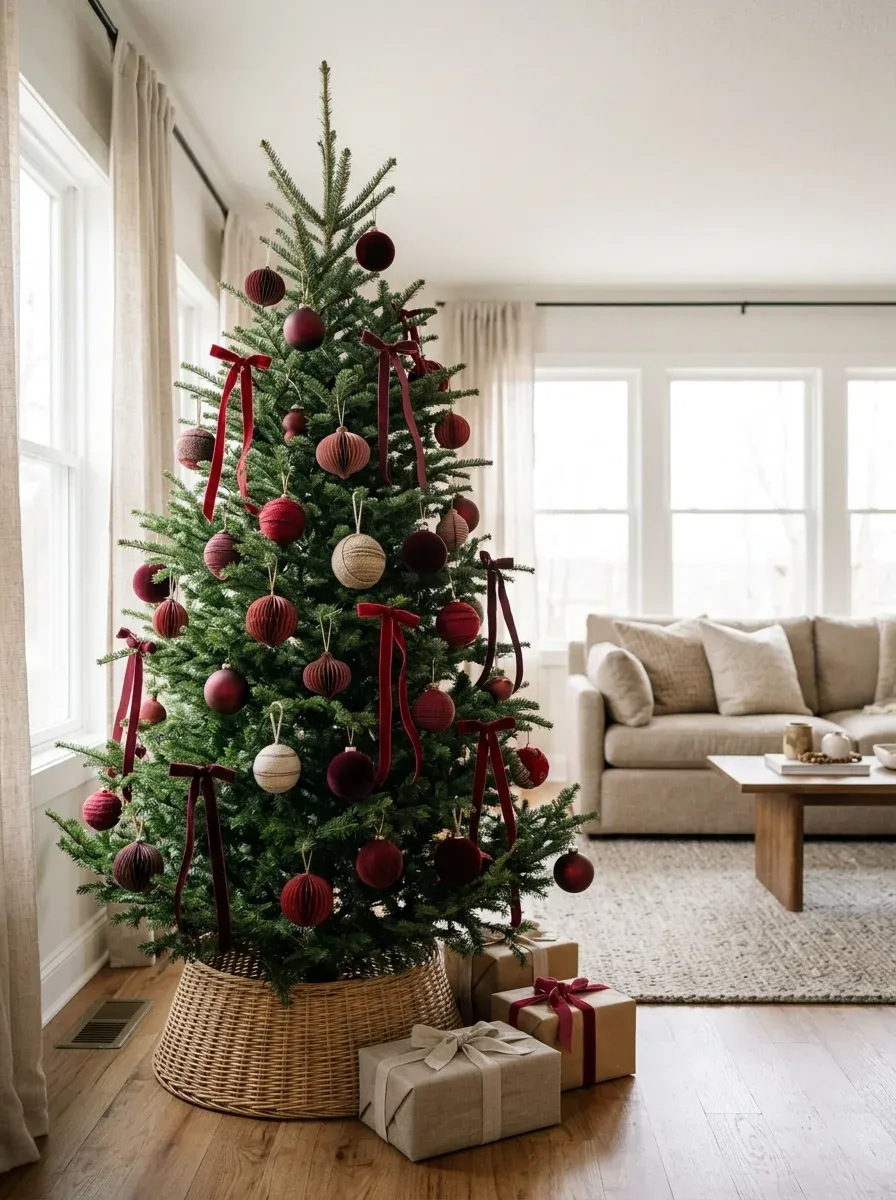
7. Bring Natural Warmth to a Red Tree with Berries and Greenery
Red berries and natural-looking greenery create a beautiful connection between traditional Christmas decorations and a more organic style.
Use a natural green Christmas tree as the foundation and add decorative red berry stems throughout selected branches. Combine them with deep red ornaments and a few small natural-looking pinecone details.
The berry stems introduce a different shape and texture from conventional baubles. They also make the tree feel more connected to the natural colors of the season.
Choose berries in deep red or cranberry shades and avoid using too many different decorative materials.
How to style it:
- Use red berry stems as decorative accents.
- Combine them with deep red ornaments.
- Add a few small natural-looking pinecone details.
- Keep the green branches visible.
- Distribute berry clusters naturally rather than grouping them all in one area.
Best for: Woodland, rustic, farmhouse, cottage, and nature-inspired Christmas interiors.
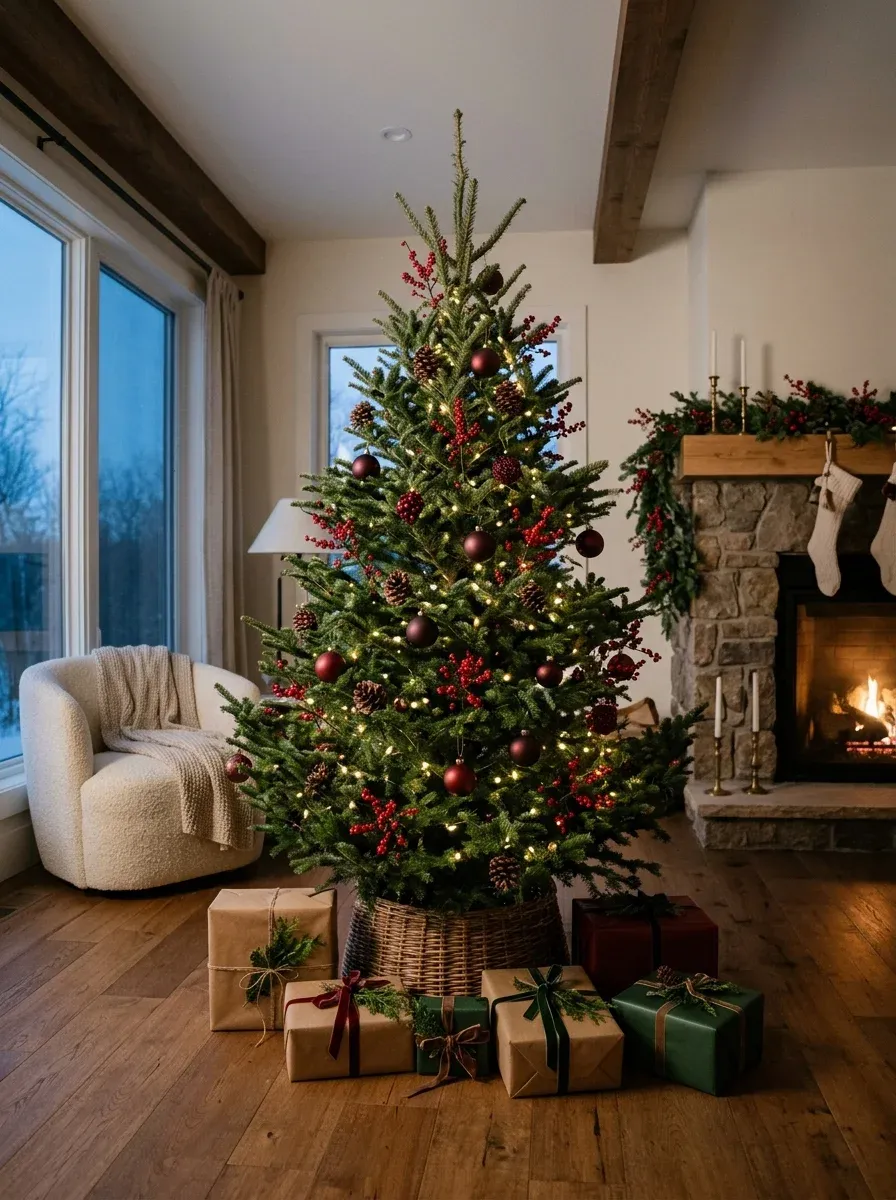
8. Keep It Modern with a Minimalist Red Christmas Tree
A minimalist red Christmas tree proves that you do not need dozens of different decorations to create a striking festive display.
Choose a natural green or slim contemporary tree and use a limited selection of red ornaments. Instead of filling every branch, place the decorations at carefully spaced intervals.
Use one main shade such as crimson or burgundy and repeat it through a few larger ornaments. A simple tree topper and restrained lighting complete the arrangement.
This approach allows the tree’s natural shape to remain visible while the red decorations provide a clear focal point.
How to style it:
- Choose one main red shade.
- Use fewer but more noticeable ornaments.
- Leave visible spaces between decorative clusters.
- Select a simple coordinated topper.
- Avoid unnecessary decorative fillers.
Best for: Minimalist, contemporary, Scandinavian-inspired, and modern apartments.
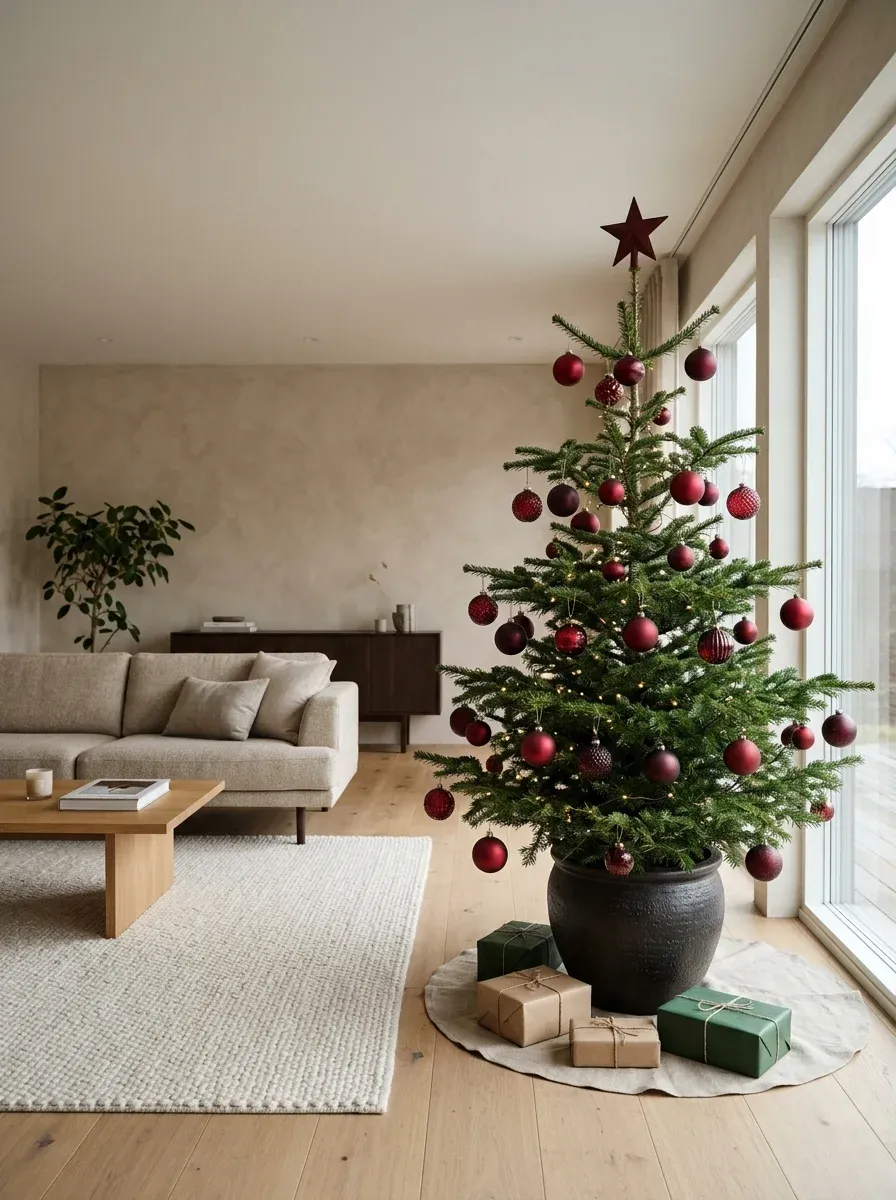
9. Create a Dramatic Statement Tree with Oversized Red Decorations
When you want your Christmas tree to become the main visual feature of a room, oversized red decorations can make a beautiful impact.
Choose a generously sized natural green tree and introduce large red baubles, decorative ornaments, and substantial ribbon details. Use a combination of larger and smaller decorations to create a balanced arrangement rather than placing every large ornament in one area.
You can choose different red finishes, such as glossy crimson, matte burgundy, and textured fabric decorations, while keeping the overall palette coordinated.
A larger tree benefits from a deliberate distribution of decorative elements, especially toward its lower and middle sections.
How to style it:
- Choose a tree with enough branch density to support larger decorations.
- Use statement-sized red baubles as focal points.
- Mix large ornaments with smaller supporting pieces.
- Repeat the main red shades throughout the tree.
- Finish with a topper that suits the overall scale.
Best for: Grand living rooms, traditional Christmas interiors, dramatic festive displays, and statement holiday decorating.
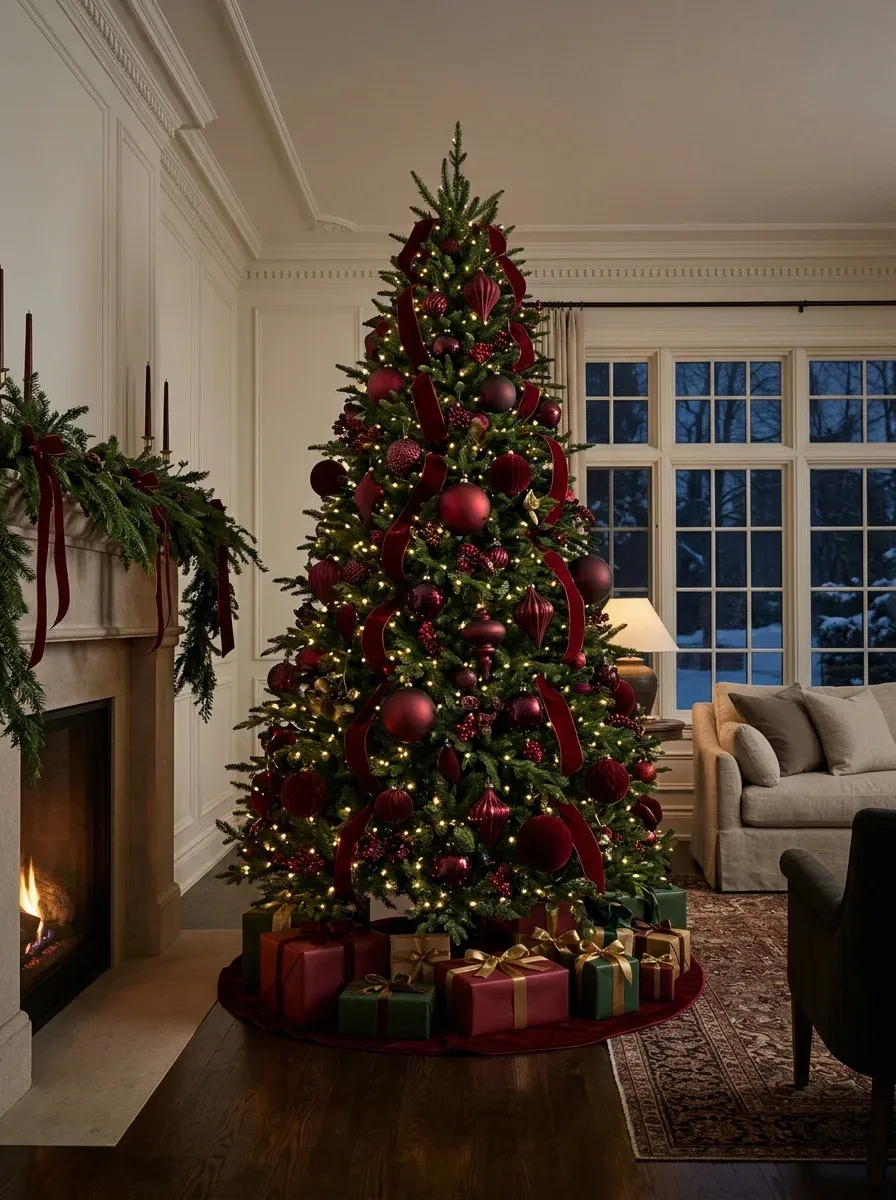
How to Choose the Right Red Christmas Tree Color Palette
Not every red Christmas tree needs to look the same. The shade you choose can change the entire atmosphere of your holiday decorating.
- Deep burgundy: Creates a rich and sophisticated look. It pairs beautifully with warm lighting, darker green branches, and velvet textures.
- Classic crimson: Offers a brighter traditional Christmas appearance. It works particularly well with glossy ornaments and simple warm-white lights.
- Cherry red: Adds a cheerful and vivid quality to the tree. Use it when you want the decorations to feel energetic and noticeable.
- Wine red: A deeper red with a slightly muted appearance. It can create a beautifully layered look when combined with burgundy and softer red tones.
- Cranberry red: Provides a natural, slightly softer red accent. It works especially well with berry decorations and traditional greenery.
For more theme ideas across different palettes, see our complete guide to Christmas tree theme ideas.
How to Decorate a Red Christmas Tree Step by Step
You can create a balanced red Christmas tree by arranging the decorations in a simple order:
- Fluff and shape the branches: Make sure the tree looks full and evenly distributed before adding ornaments.
- Install the lights: Arrange the lights before adding ribbons and ornaments so they can be distributed evenly.
- Add ribbons or decorative stems: Place longer decorative elements first, allowing them to follow the natural tree shape.
- Position large ornaments: Distribute the largest red ornaments across the tree.
- Fill with smaller decorations: Add smaller baubles and textured details to create depth.
- Check the color balance: Step back and make sure the red decorations are spread evenly.
- Finish with the topper: Choose a topper that complements the scale and style of the tree. Explore our favorite Christmas tree topper ideas for the perfect crowning touch.
What Decorations Look Best with a Red Christmas Tree?
A red tree can work with different decorative materials and finishes, depending on the atmosphere you want to create.
| Decoration | Effect on the Tree | Suitable Style |
|---|---|---|
| Velvet ribbon | Adds softness and richness | Traditional and romantic |
| Glossy red baubles | Creates reflective highlights | Classic and bold |
| Matte ornaments | Adds subtle depth | Modern and elegant |
| Red berry stems | Introduces natural texture | Woodland and rustic |
| Textured ornaments | Creates visual interest | Contemporary |
| Antique-metal accents | Adds a refined decorative finish | Traditional and elegant |
Choose decorations that complement your chosen red palette instead of adding every available finish.
Common Red Christmas Tree Decorating Mistakes to Avoid
- Using only one ornament size: A tree filled with identical baubles can look flat. Mix different sizes to create more visual depth.
- Combining too many shades of red: Different reds can work together, but too many unrelated tones may make the tree feel disorganized. Choose a main shade and a small supporting palette.
- Overusing metallic finishes: Too many reflective decorations can compete with the red ornaments. Use metallic details selectively.
- Placing every large ornament at the bottom: Larger ornaments create the strongest visual impact, so distribute them throughout the tree according to branch strength and proportion.
- Adding too many ribbons: Ribbon can be beautiful, but excessive amounts may hide the natural branches and ornaments. Choose a clear ribbon style and repeat it thoughtfully.
- Ignoring the tree’s natural shape: Decorations should follow the tree’s shape rather than forcing it into an unbalanced silhouette. Check the arrangement from different angles.
- Using too many decorative styles: Mixing velvet, glass, berries, metallic pieces, and several patterns without a clear plan can make the tree feel crowded. Let one or two decorative elements lead.
Frequently Asked Questions
What colors look best with a red Christmas tree?
Deep burgundy, crimson, cranberry, and cherry red can create beautiful tonal combinations. You can also introduce restrained antique-metal accents or natural greenery, depending on the overall decorating style.
How do I make a red Christmas tree look elegant?
Choose a coordinated shade of red, mix matte and glossy finishes, and use decorative elements such as velvet ribbon or textured ornaments. Even spacing and a limited number of ornament styles also help the tree look more polished.
Are burgundy and red good together on a Christmas tree?
Yes. Burgundy and brighter reds create a layered appearance because they provide depth while keeping the overall color direction consistent. Use darker shades deeper within the branches and brighter tones toward the outer sections if you want additional dimension.
What ribbon looks best on a red Christmas tree?
Velvet ribbon is a beautiful choice because it adds texture and richness. Satin and soft fabric ribbons can also work well. Choose a shade that complements the ornaments rather than competing with them.
How many red ornaments do I need for a Christmas tree?
The number depends on the height, fullness, and branch density of the tree. Begin with larger ornaments for the main decorative points, then add smaller pieces gradually until the tree feels balanced.
How can I decorate a red Christmas tree without making it look too busy?
Use a limited color palette, repeat a few ornament finishes, and leave some natural branches visible. Avoid placing every decorative item on the same section of the tree.
Can I decorate a Christmas tree with only red ornaments?
Yes. A single-color red tree can look beautiful when you vary the size, shape, and finish of the decorations. Glossy, matte, velvet, and textured red ornaments create interest without requiring additional colors.
Final Thoughts
A red Christmas tree can bring warmth, character, and a beautiful festive presence into your home. Whether you prefer deep burgundy decorations, glossy crimson baubles, soft velvet ribbons, or a more minimalist arrangement, there are many ways to make this classic color feel fresh.
Start by choosing the shade of red you love most. Then introduce different ornament sizes and textures, keeping the overall arrangement balanced.
The most beautiful red Christmas tree is not necessarily the one with the most decorations. It is the one where every element works together to create a festive display that feels right for your home.
Looking for more ideas? Browse our seasonal decor stories.
Save to Pinterest